
Special Needs Safety

Children and adults with special needs require personalized safety planning. It is important to consider all medical conditions, their developmental age, abilities, size, and strength to help prevent accidents and injury.

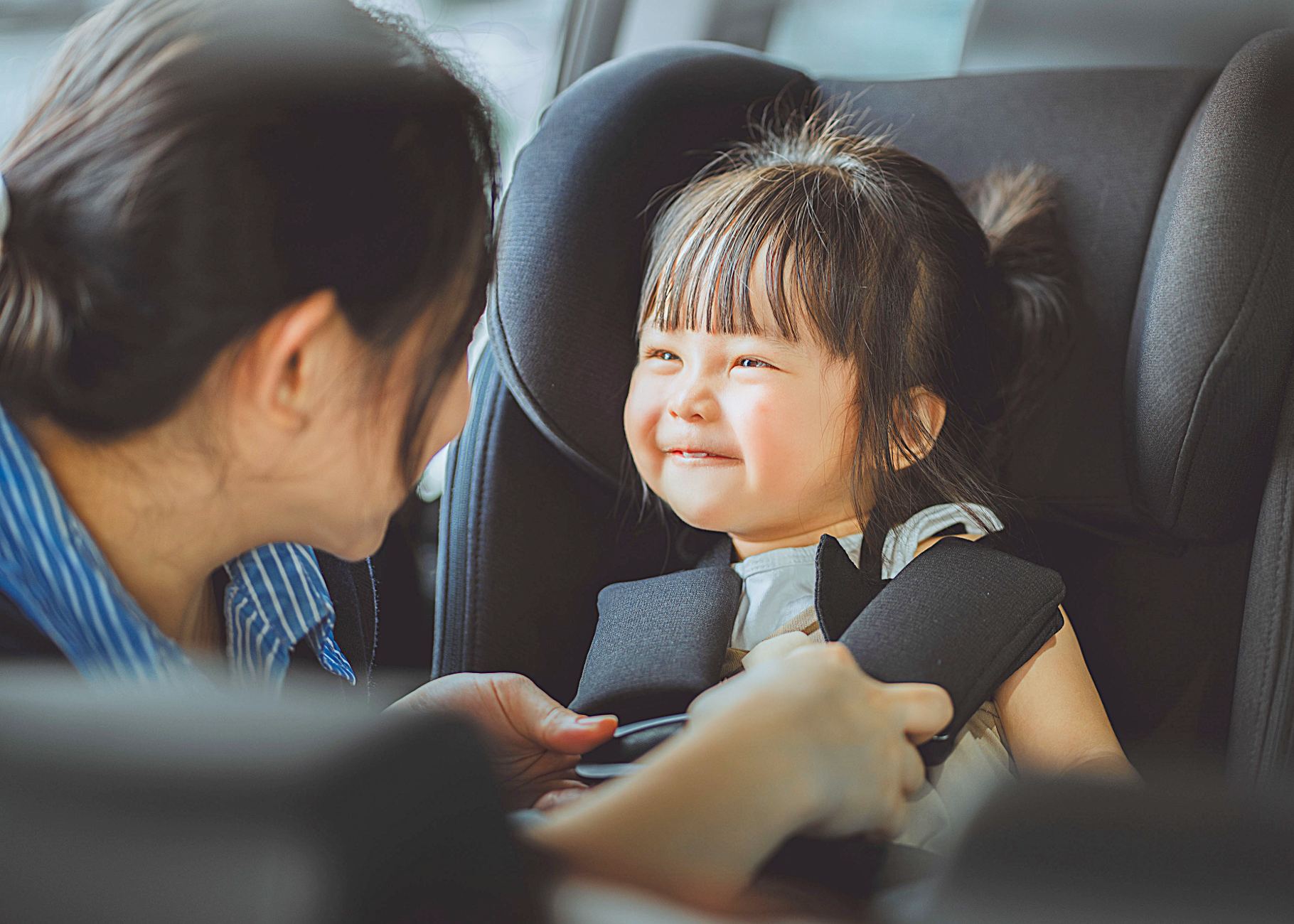
Children who have certain medical conditions or who have undergone specific medical procedures may need to use an adaptive restraint or car seat while traveling. Options may include car beds, adaptive car seats, or safety harnesses. Click the link below to find out more about adaptive transportation options.


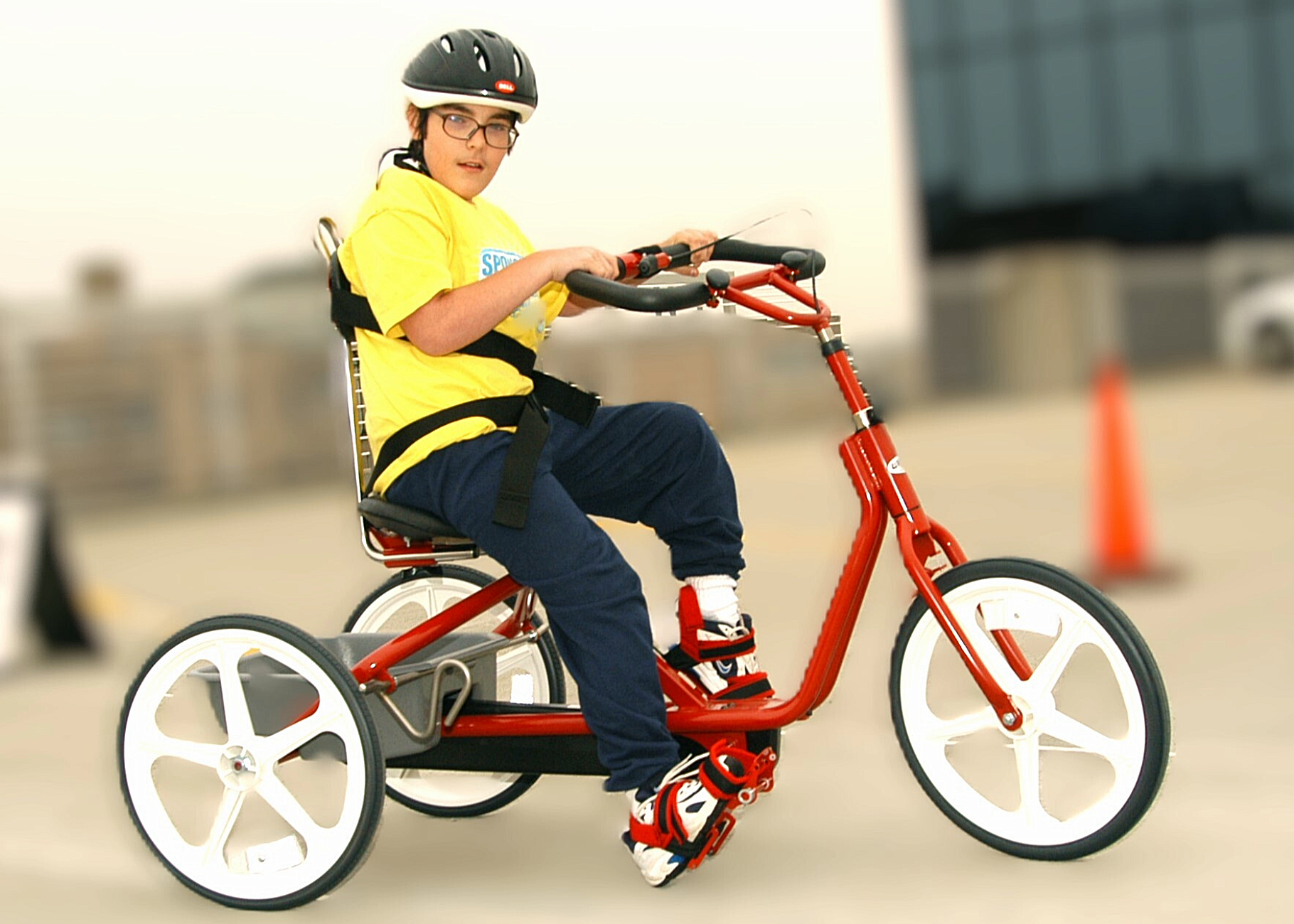
Everyone deserves the chance to ride a bicycle. Those with special healthcare needs or disabilities may require the use of an adapted bike. Occupational and physical therapists may be able to help determine challenges and resources. They may also provide recommendations for the correct size and use of an adaptive bicycle. 


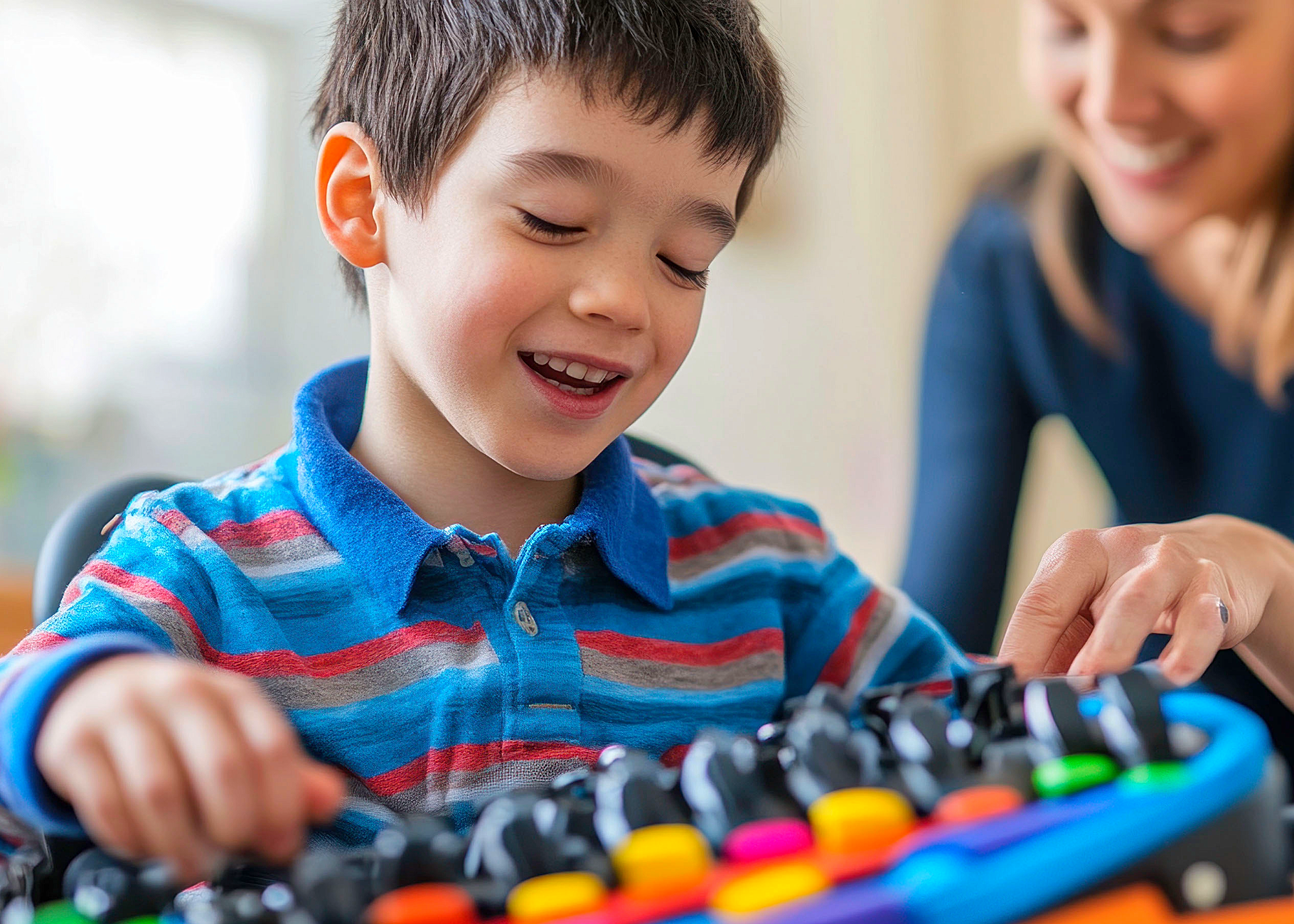
Choose toys that match your child's developmental age and avoid any items that could be choking hazards. Ask your child's occupational, physical, and speech therapists for advice on engaging toys and activities. They may also be able to help with modifying toys, such as adding larger buttons or velcro for easier play.


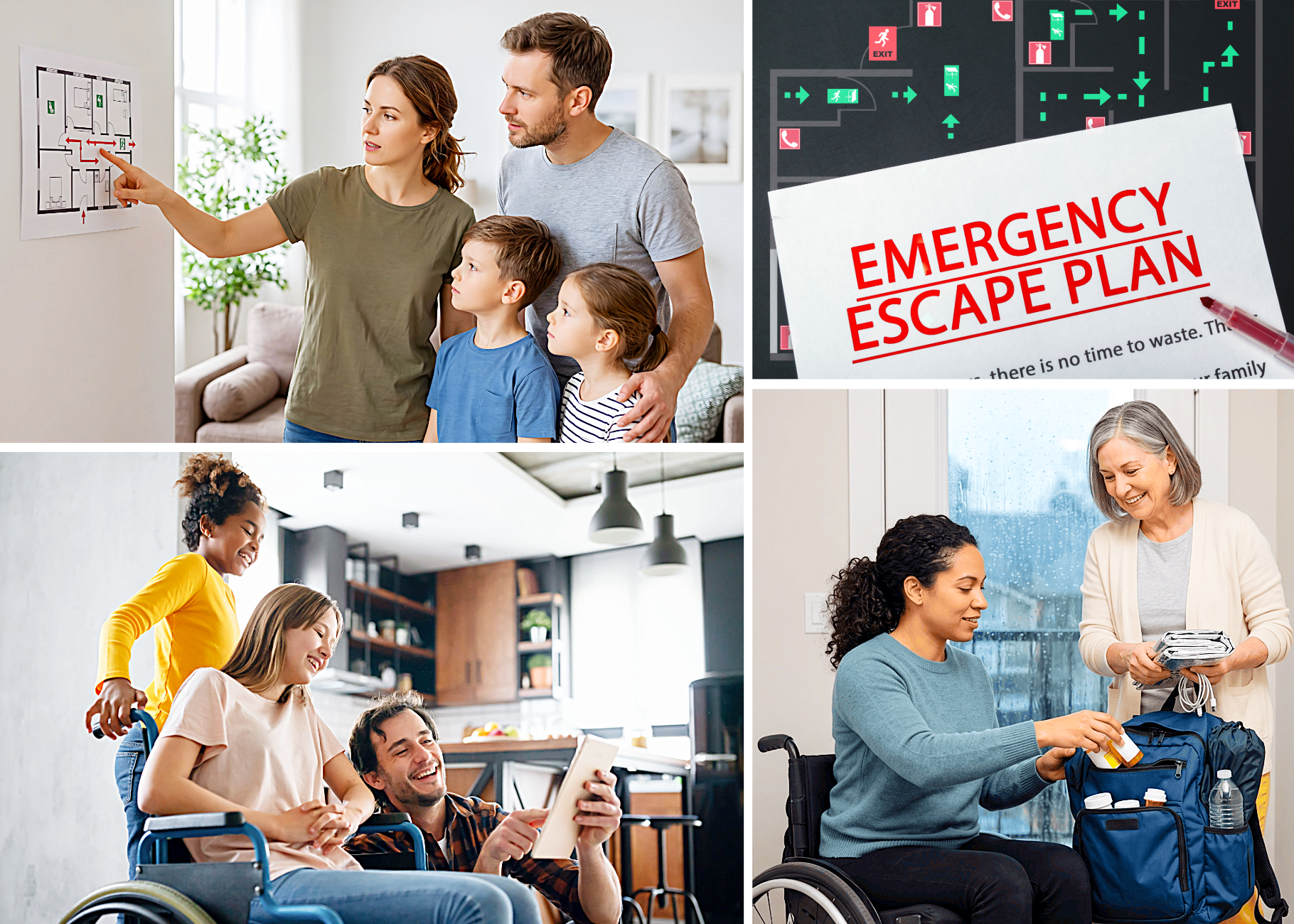
Create a family emergency escape plan and practice it regularly. Children and adults with special needs may not be aware of risks or might not be able to move away from dangerous situations quickly. Use the Family Emergency Planning Guide below to help plan, prepare, and practice for emergency situations. 


Children and adults with special needs may require medications and equipment to stay safe. Prepare a “go bag” with 3 days worth of all essential supplies and medications that you can access in case of emergencies or disasters. Be sure to update your bag as medications and supplies expire.


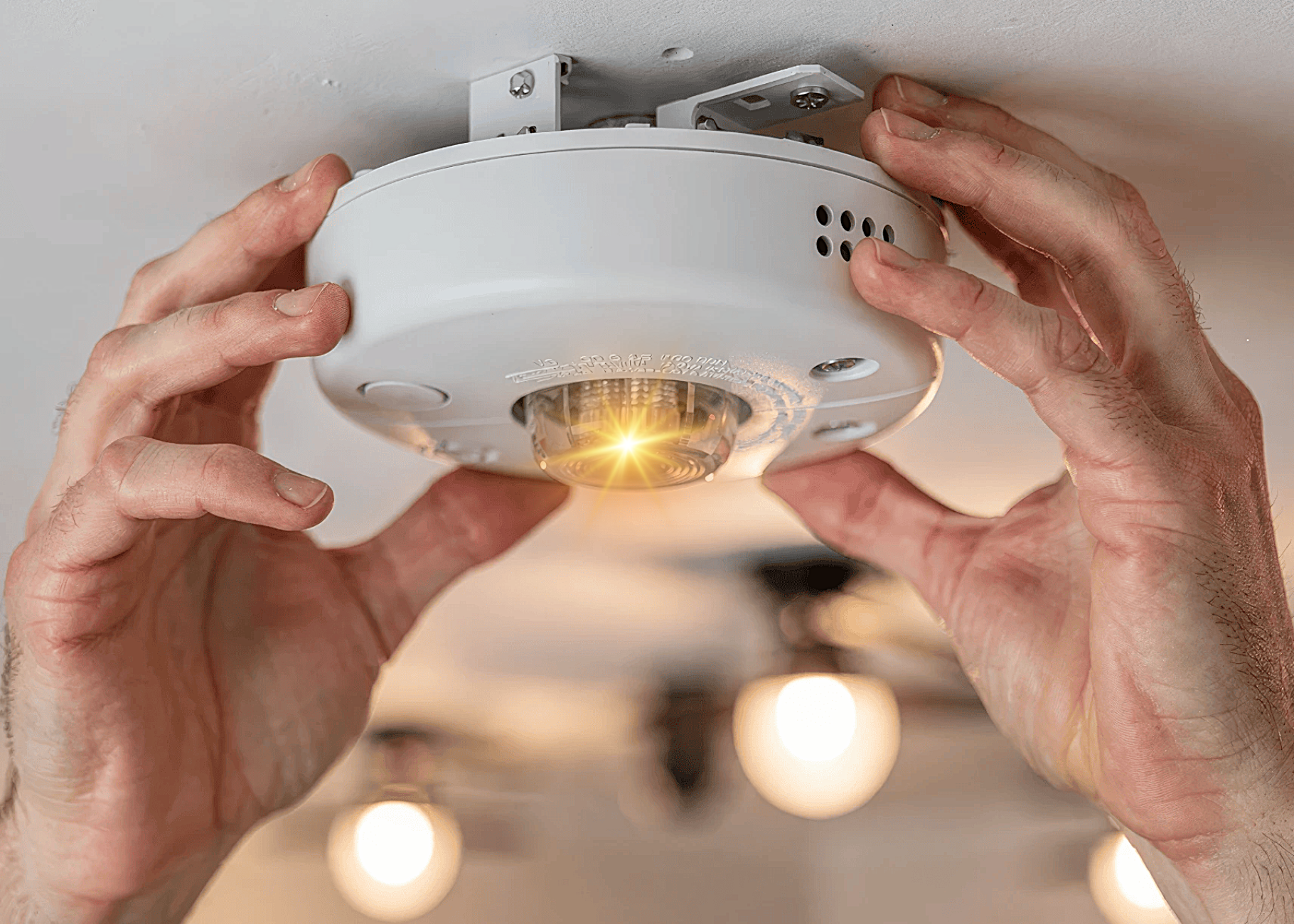
Install smoke alarms and carbon monoxide detectors per manufacturer instructions in all sleeping areas and on each level of your home. Make sure your alarms alert those with special needs. Consider an alarm with a flashing strobe or vibration device. These devices can be wearable, connect to a phone, or can attach to a bed to alert while sleeping.

Wandering can be common for children and adults with special needs. It occurs when a person bolts, flees, runs away, or escapes a safe place or person who is caring for them. Click the following link to learn ways to help prevent wandering and how to respond.


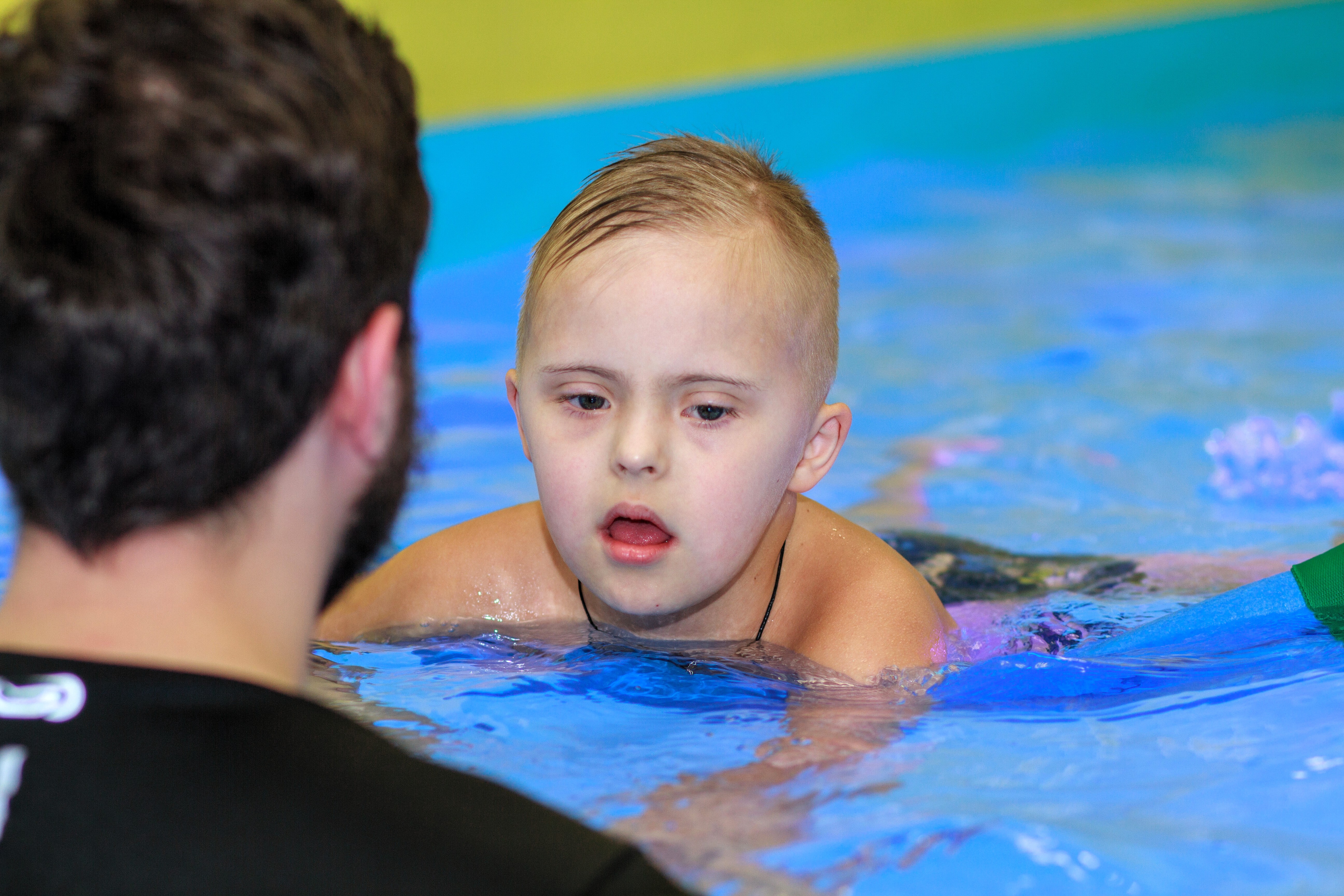
Some people with autism or developmental disabilities are drawn to water. If an individual with special needs is missing, first look in areas of high danger, such as pools, lakes, ponds, creeks, or fountains. Teach children how to swim, tread water, and float. Check with your local YMCA or Red Cross to enroll in lessons. 


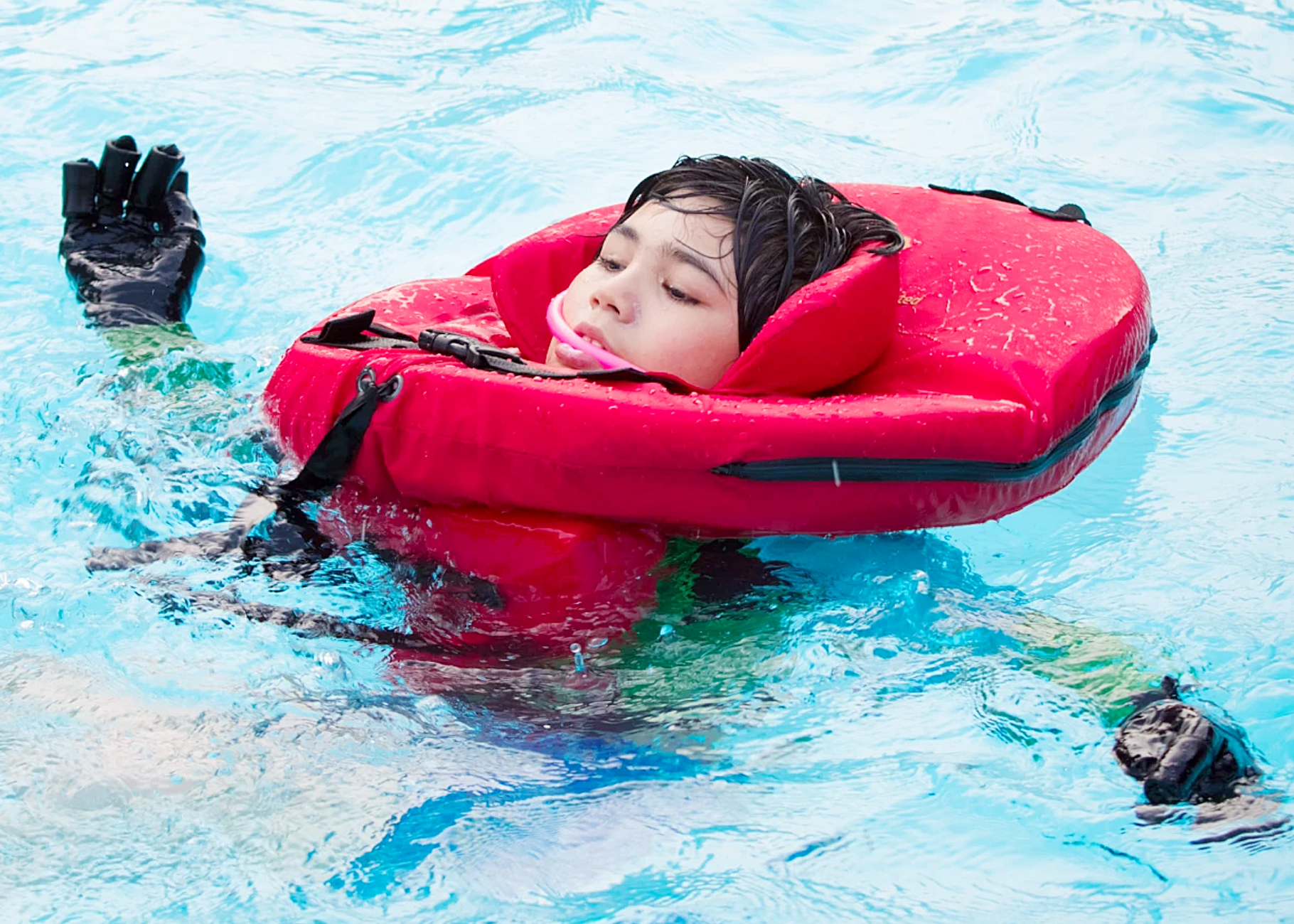
Water wings or inflatable tubes will not stop a child from drowning. Always put your child in a life jacket when near bodies of water, including pools, and remain close by to supervise.


Consider using an adaptive life jacket if standard Coast Guard approved life jackets do not work for your child's weight or abilities.


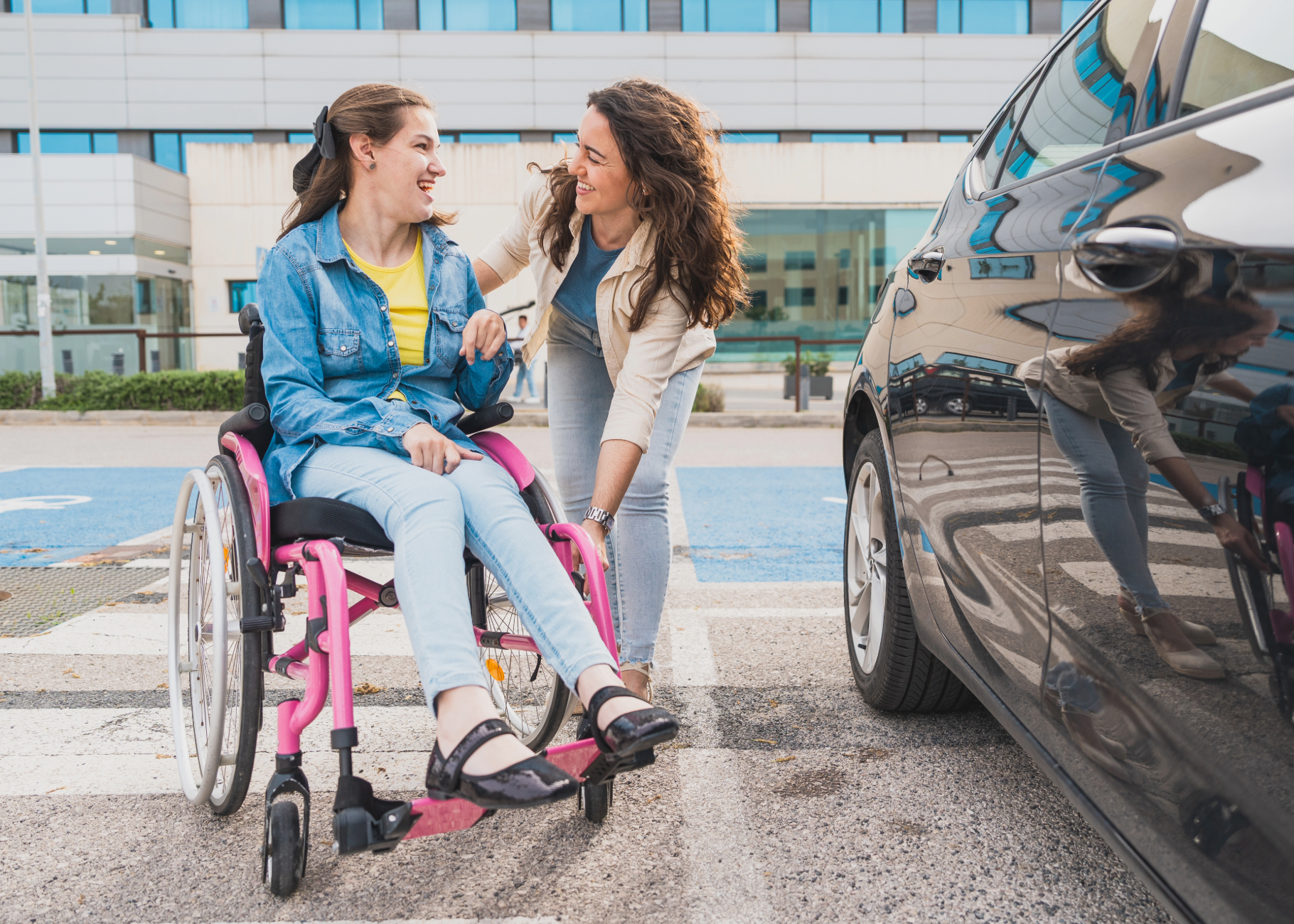
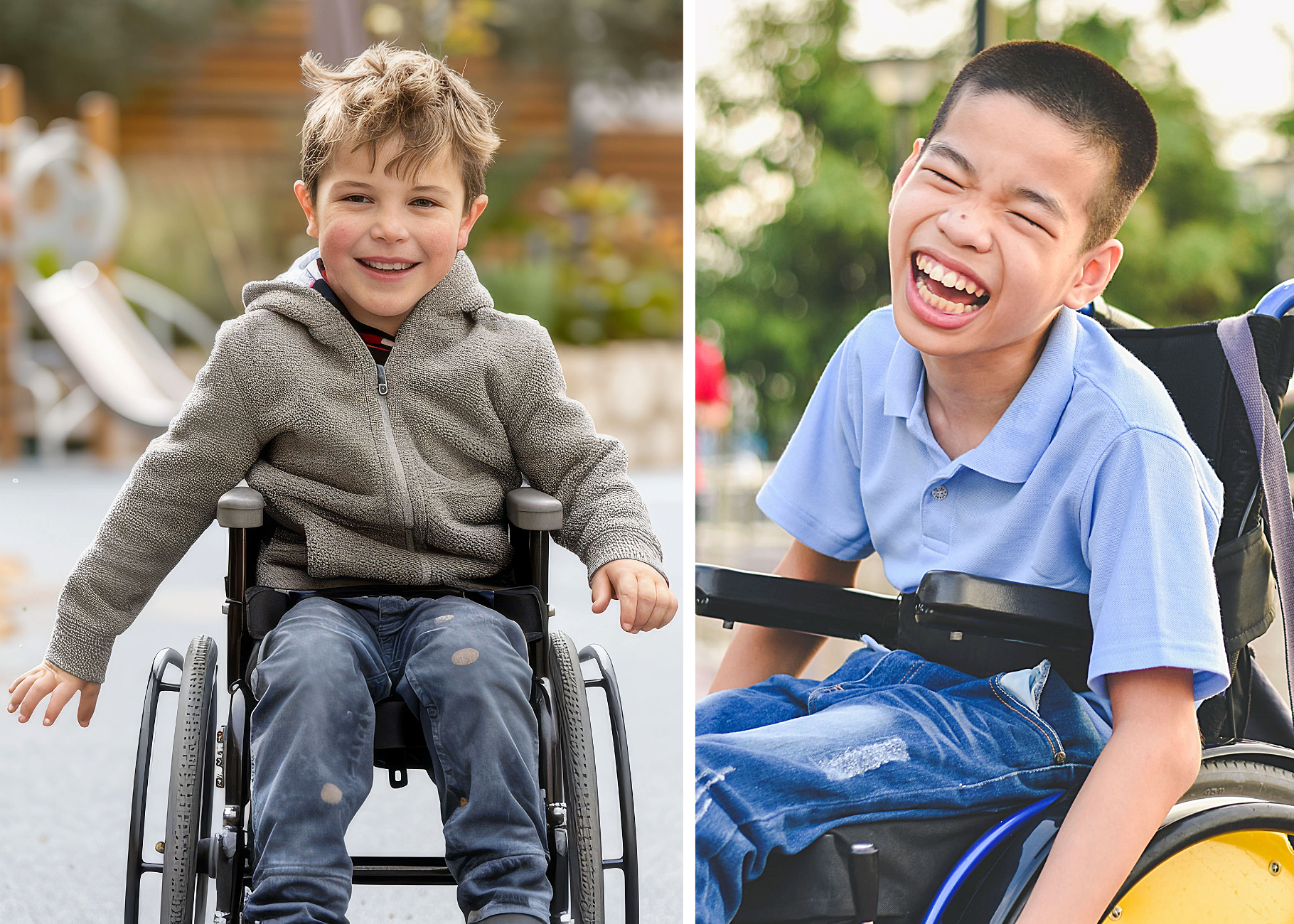
Children who use a wheelchair may benefit from the Skills on Wheels program to build skills to use their adaptive device.The program first teaches basic skills, like rolling forward, backward or taking apart your chair. Participants build up to intermediate and advanced skills, such as navigating street curbs.
 

Do you have questions about special needs safety?

Call our FREE Safety Store Helpline at 317-274-6565. You can talk with our staff live Monday-Friday from 9:00 AM to 4:00 PM about your safety questions.