





Button & Lithium Coin Battery Safety

Battery Ingestion Hotline: 800-498-8666

Button batteries and lithium coin batteries can be life-threatening if swallowed or put in the nose or ears. Learn what devices use these batteries, how to keep them away from children, and what to do if your child swallows one.

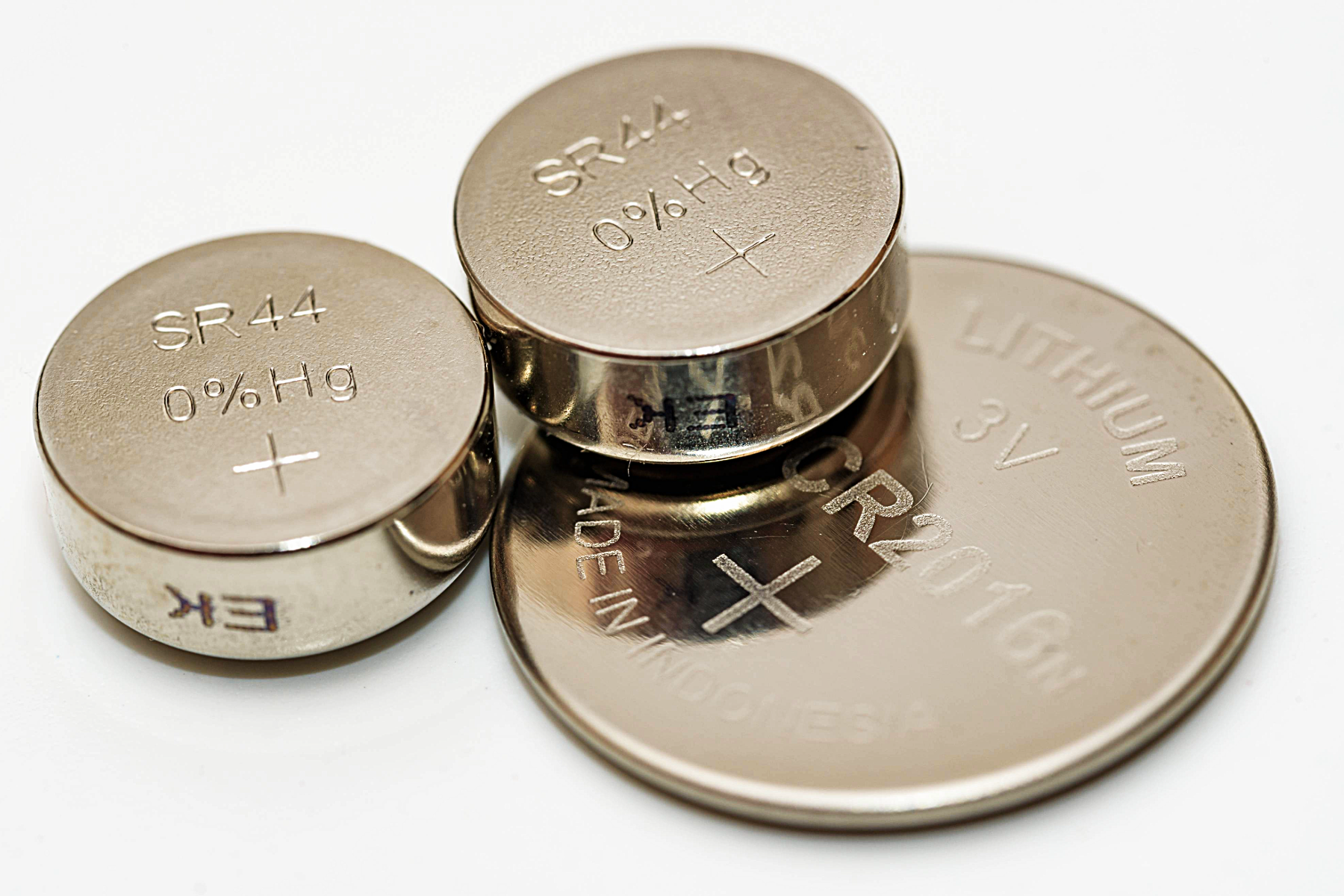
Button batteries and lithium coin batteries are small, round, and often found in electronic items. Lithium coin batteries are thinner and are about the size of a nickel.


If swallowed or placed in the nose or ear, button and lithium coin batteries can lead to life-threatening injuries within two hours.

A child might not show any obvious symptoms if they swallowed a battery. If a battery is in their nose or ear, you may notice drainage or pain.


Other symptoms may include fever, stomach pain, vomiting, or blood in your child's stool.

If you believe your child has swallowed a button battery or lithium coin battery, they should be seen right away at the emergency room.

Do not wait until symptoms develop to seek medical attention. If your child is in distress, call 911.

If you are able, call the Battery Ingestion Hotline at 800-498-8666. This can help identify the type of battery and steps needed  for treatment.

If you have honey available and your child is over 12 months old, give them two teaspoons of honey. You can give your child up to 6 does, spaced 10 minutes apart. Honey helps coat the battery while it is in your child's body.


Do not give your child anything else to eat or drink. If your child vomits, do not give them another dose. Don't delay going to the hospital to search for honey.

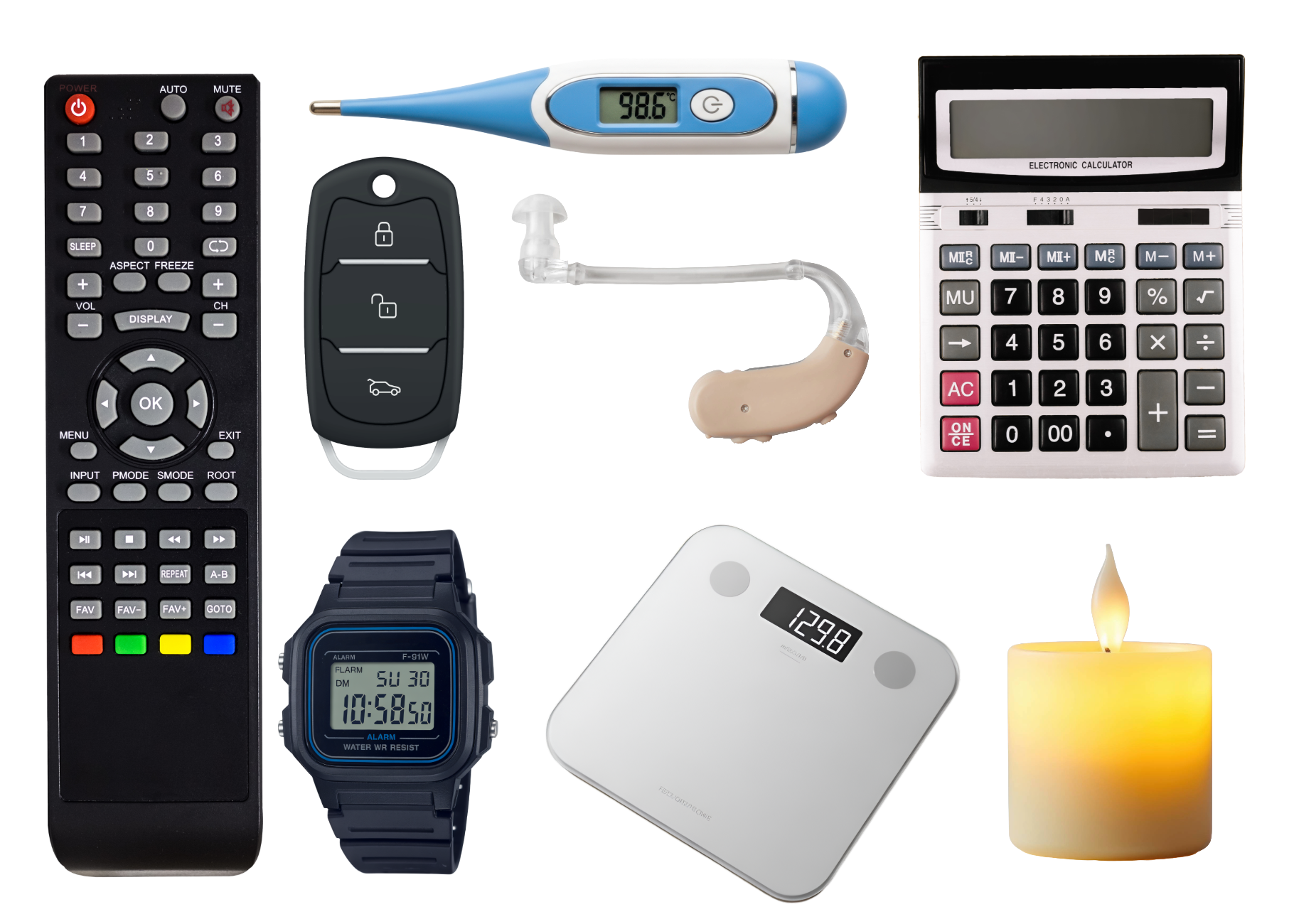
You can prevent injuries by knowing which items have button and lithium coin batteries. They are both used in many regular household items. You'll likely find them in remote controls, thermometers, key fobs, watches, cameras, musical greeting cards, toys, flameless candles, bathroom scales, and more.

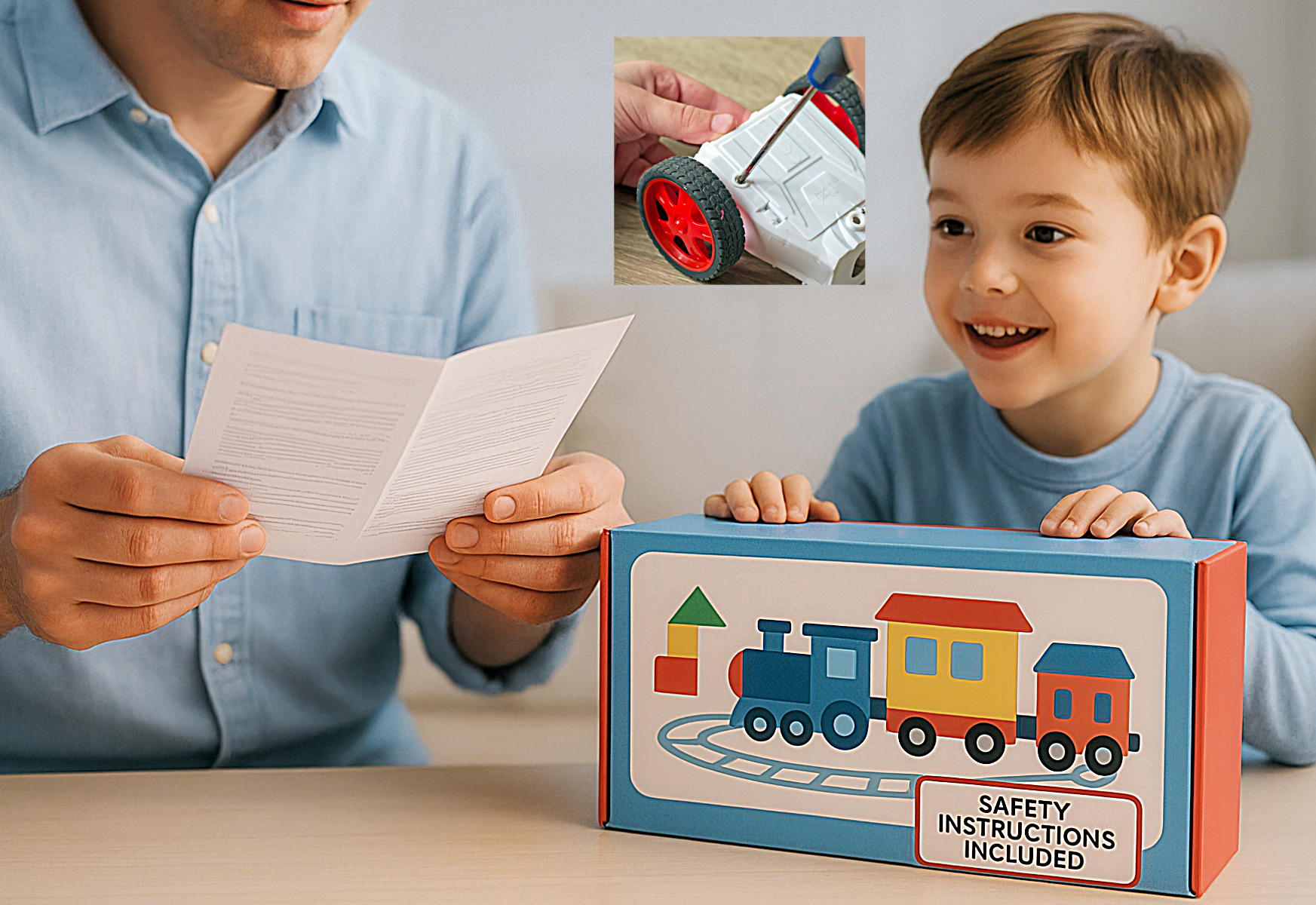
Always supervise young children with these items. Inspect toys and household items often to ensure that battery compartments are intact and fully fastened. If items have broken plastic or are not secure, consider replacing them.

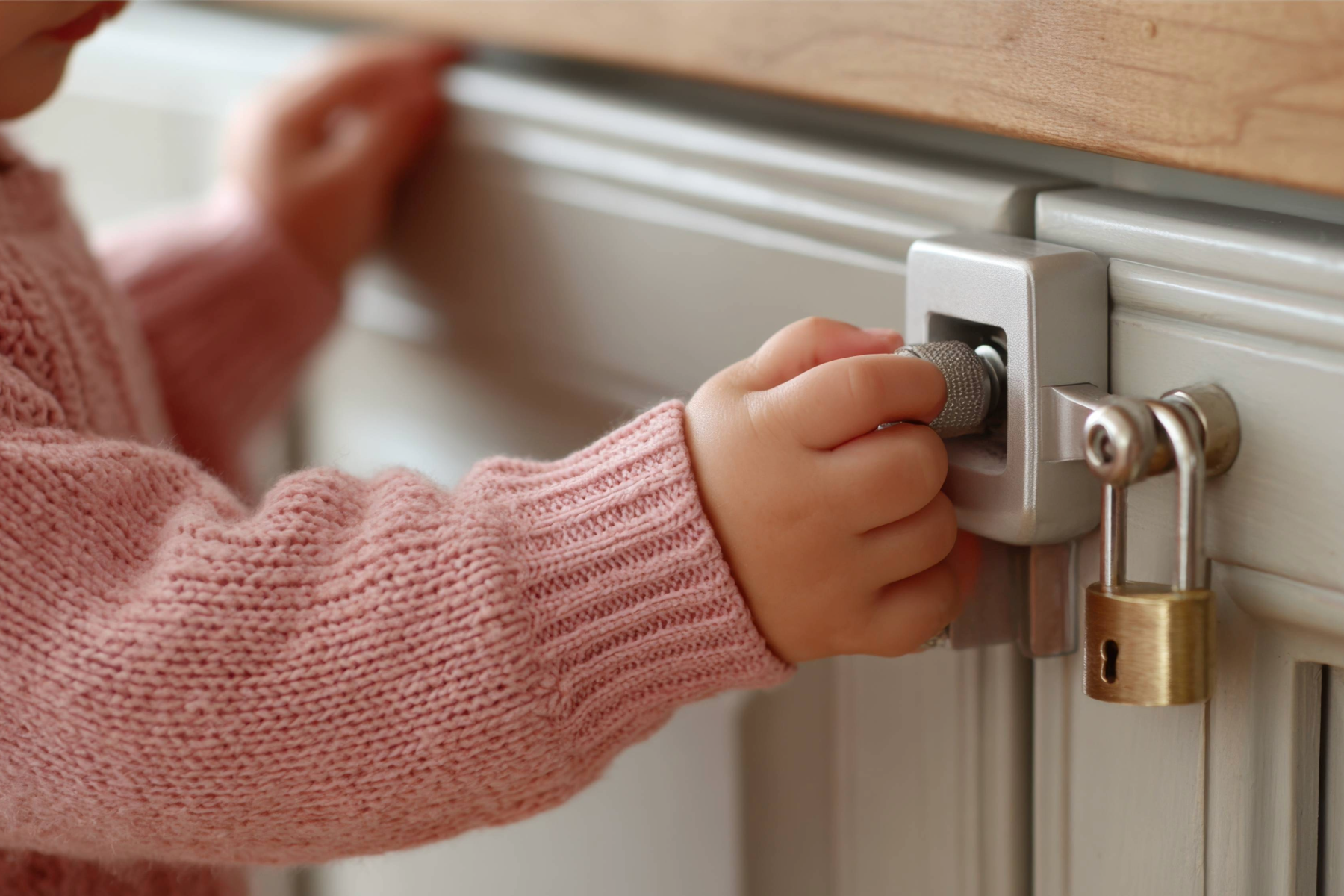
Keep items with button and lithium coin batteries out of reach or locked away when not in use. Explain to young children that only adults should handle batteries. Remind older children to be careful with batteries, especially when younger kids are around.


Avoid storing button or coin batteries where they could be mistaken for food or swallowed. Do not store batteries near or inside pill bottles, in pockets, or inside bags. 

Always read the manufacturer's warnings and product instructions. Never test or hold batteries by placing them in your mouth.

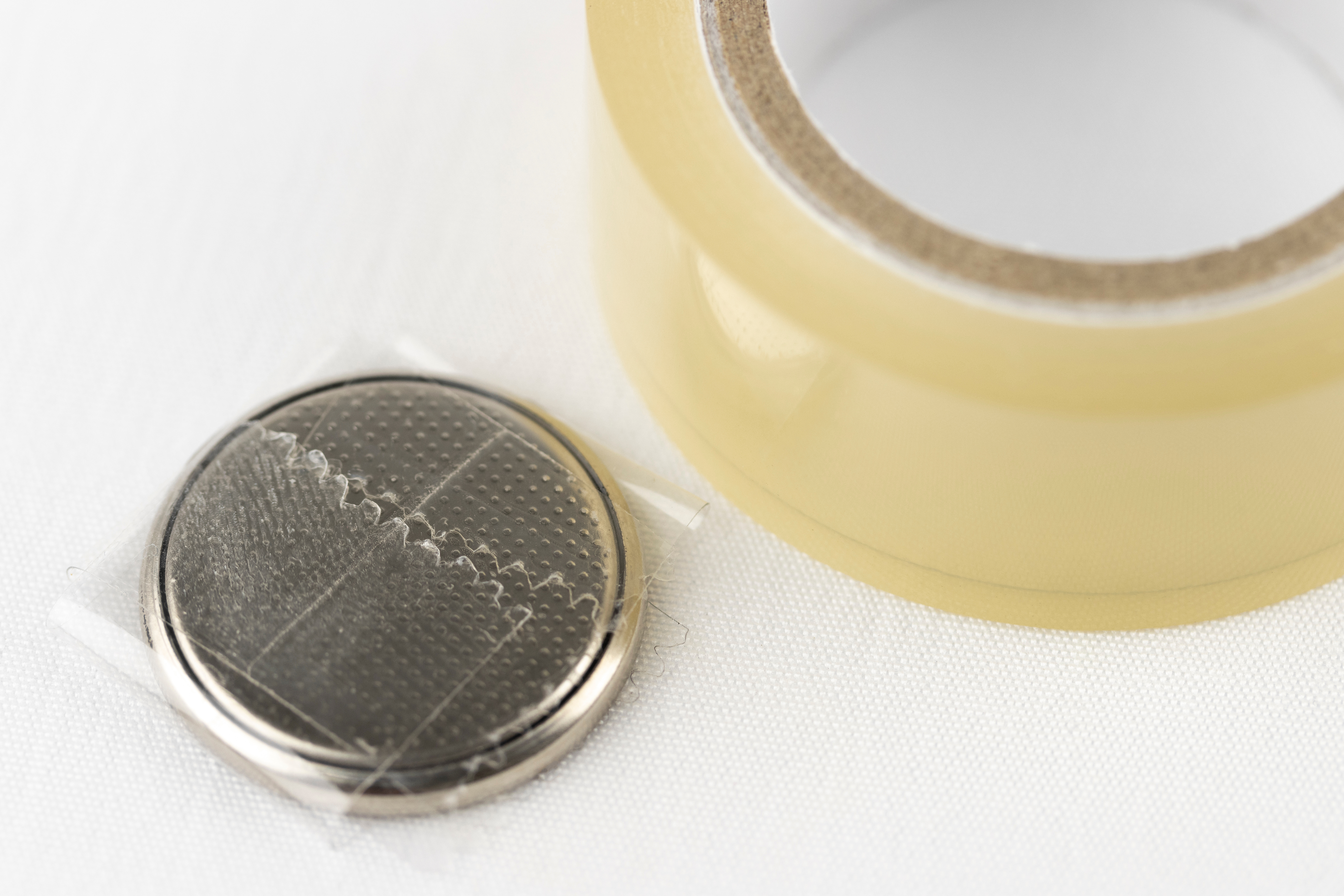
Before getting rid of a button or coin battery, wrap two strips of tape around it. This will make the battery less tempting for children to swallow and slow down injuries if swallowed.


Make sure you understand the regulations in your state for proper battery disposal. Look for household hazardous waste drop-off locations and recycling centers near you. Call2Recycle.org can help you identify drop off locations.

Do you have questions about button battery safety?

Call our FREE Safety Store Helpline at 317-274-6565. You can talk live with our staff Monday-Friday from 9:00 AM to 4:00 PM about your safety questions.