
FOR MORE INFORMATION
healthychildren.org: Driving Safety
nhtsa.gov: Teen Safe Driving-How Teens Can Be Safer Drivers
in.gov: BMV Licenses, Permits, & IDs-Driver Education
impactteendrivers.org: Parents-Be the Driver You Want Your Teen to Be
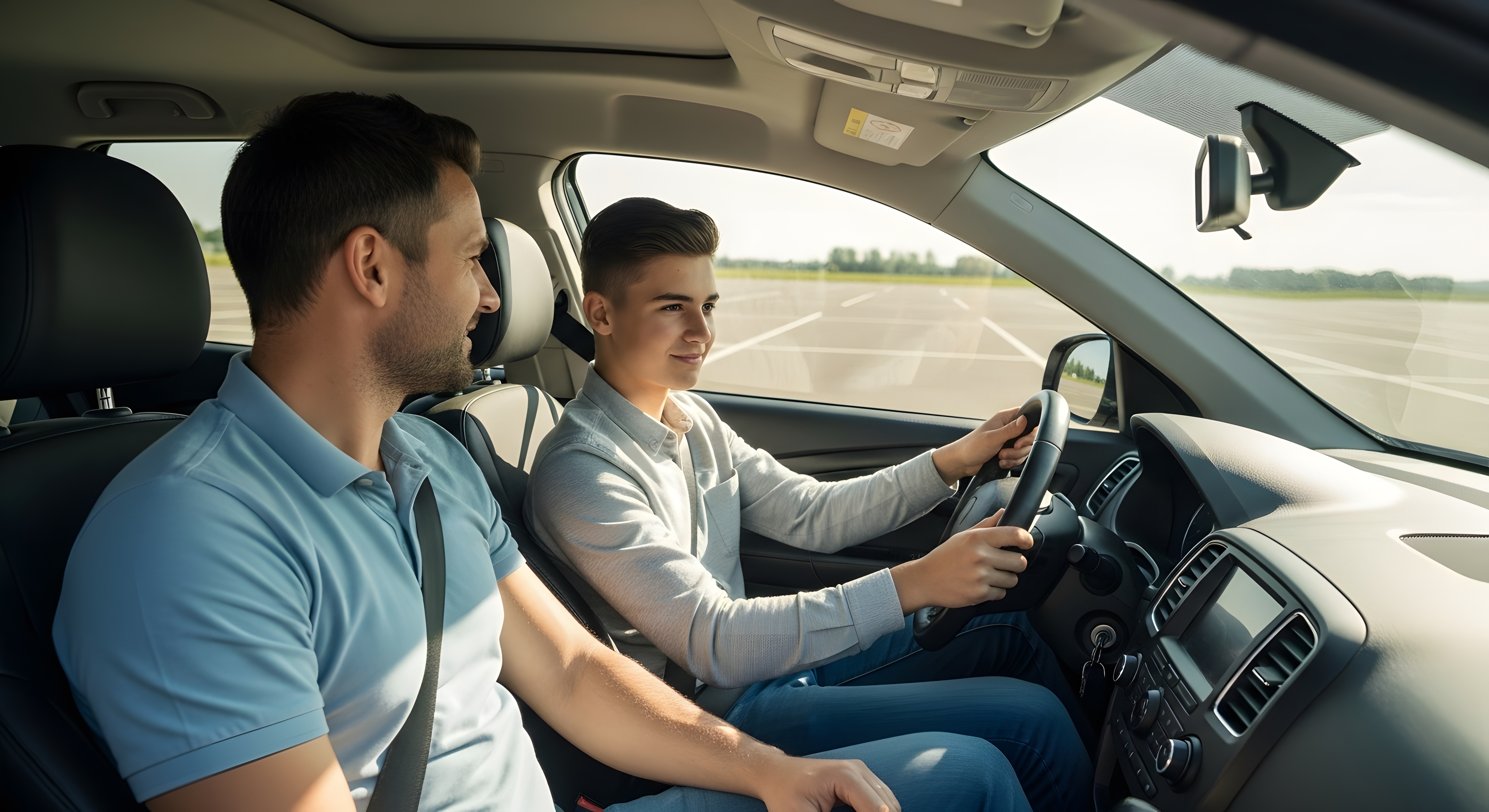
Car crashes are the leading cause of death for teenagers and young adults. Parents and caregivers play an important role in educating teens about safe driving. Learn ways to teach your child how to drive safely.
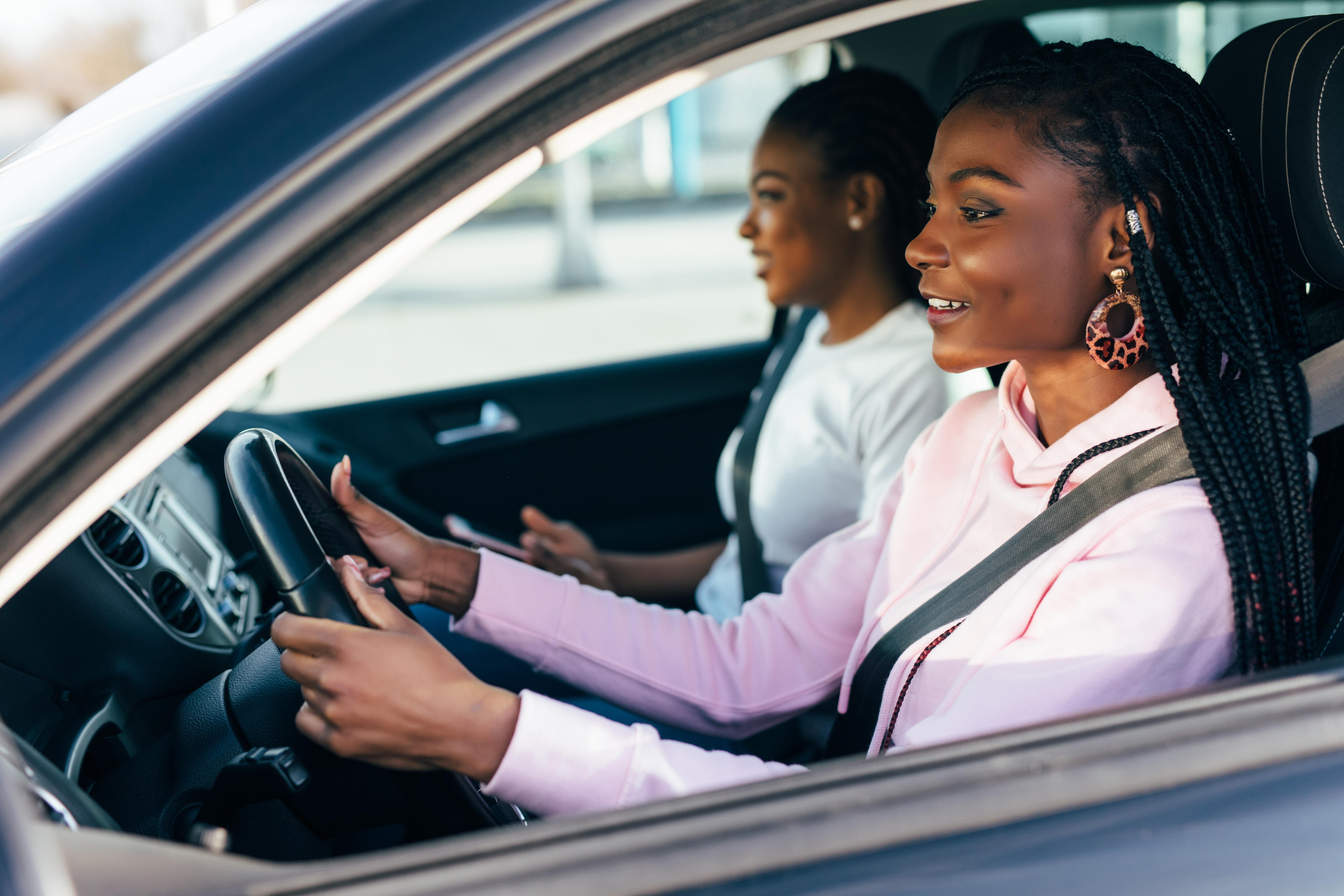
Be a role model. Your teen is learning how to drive by watching you and your actions. Always use your seat belt and make sure that everyone in the car is buckled up properly each time you go for a ride.
Follow all traffic rules and signals. Avoid speeding or any other unsafe actions like texting, talking on the phone, eating, or using drugs or alcohol while driving.
Talk with your child about the dangers of road rage. Show them how to drive calmly depsite the difficulties of driving. Teach them to practice defensive driving so they can act quickly in order to respond to hazardous situations.
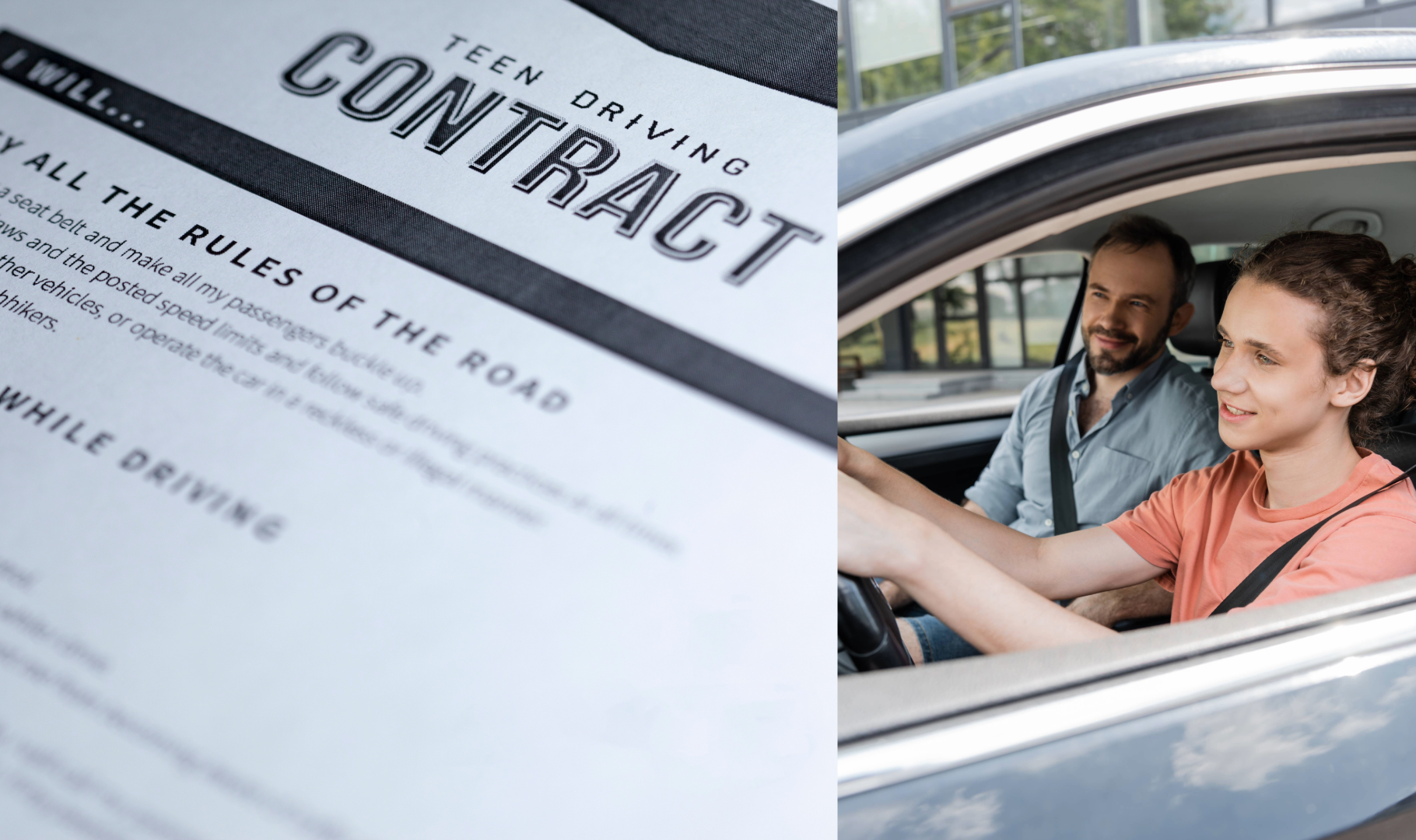
Set clear rules about driving from the beginning. Work with your teen to create a Driving Agreement. Include a list of expectations, limits, and consequences for if a rule is broken. Keep the agreement on display and adjust the rules as your teen's driving skills grow.
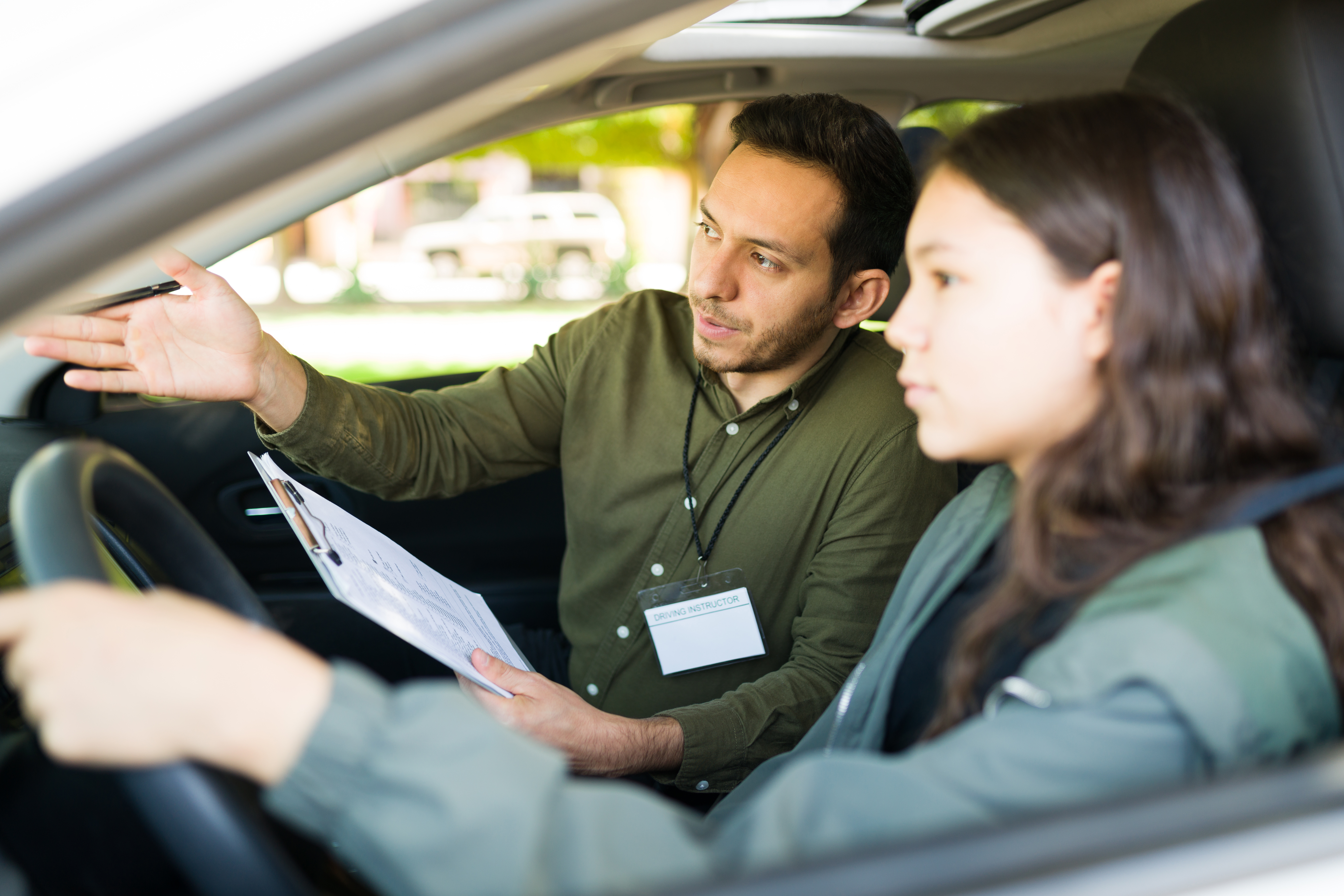
Understand the graduated driver licensing (GDL) laws in your state. Learn about the limitations for teen drivers that have their permits or provisional licenses. In Indiana, young drivers have limitations on passengers and nighttime driving hours.

Consider whether your teenager is mature and responsible enough to drive by themselves. If you feel your teen is not prepared to drive alone, you can wait to let them take their driver's test for a license until you think that they are ready.
Check the condition of the car your teenager will be driving. If purchasing a car, help your teen research safety ratings. Have a mechanic inspect the car, check that the air bags are functional, and make sure all seatbelts work properly.
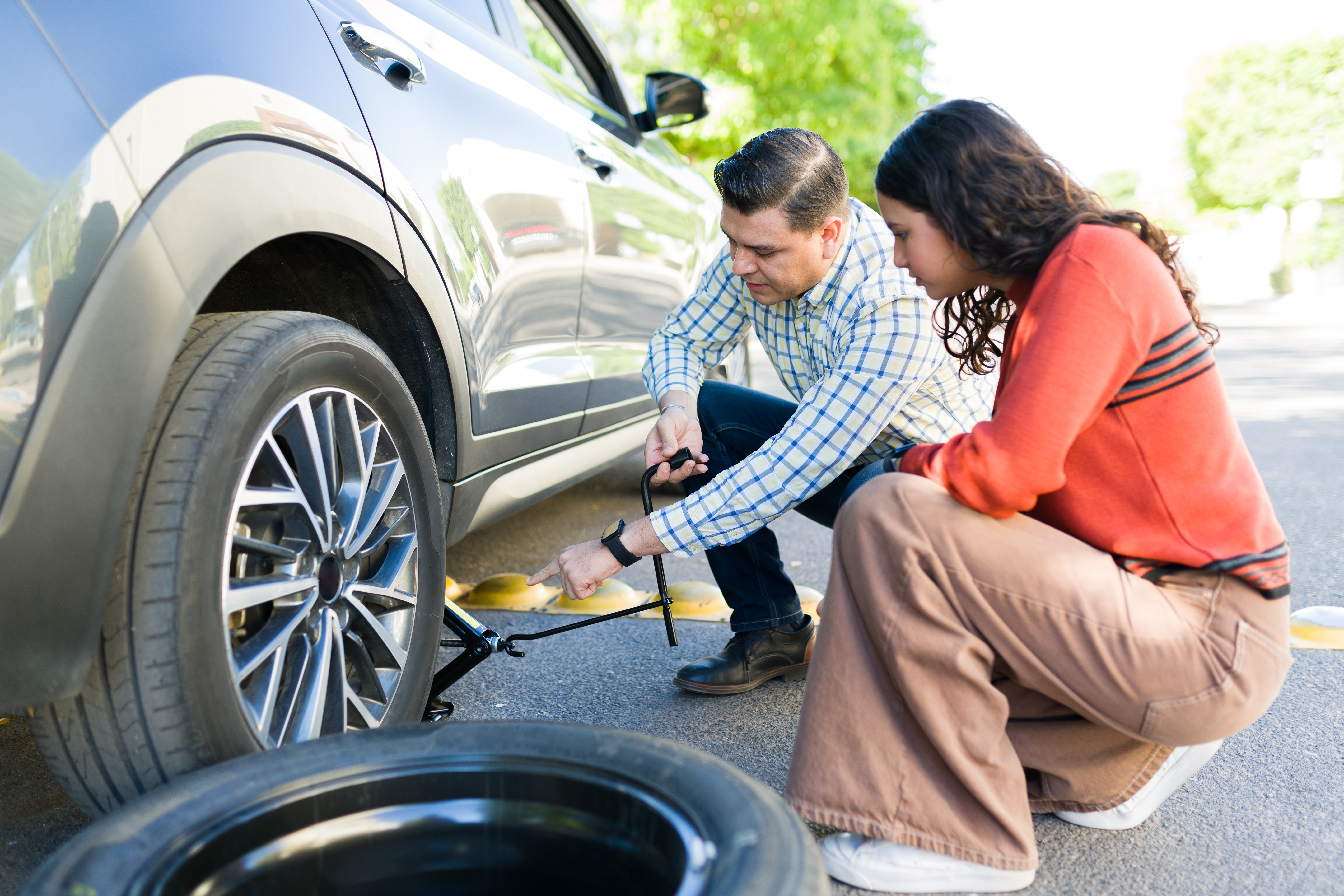
Help your teen learn basic car maintenance, like how to check tire pressure and oil levels. Show them how to replace windshield wiper fluid and have them practice changing a flat tire.
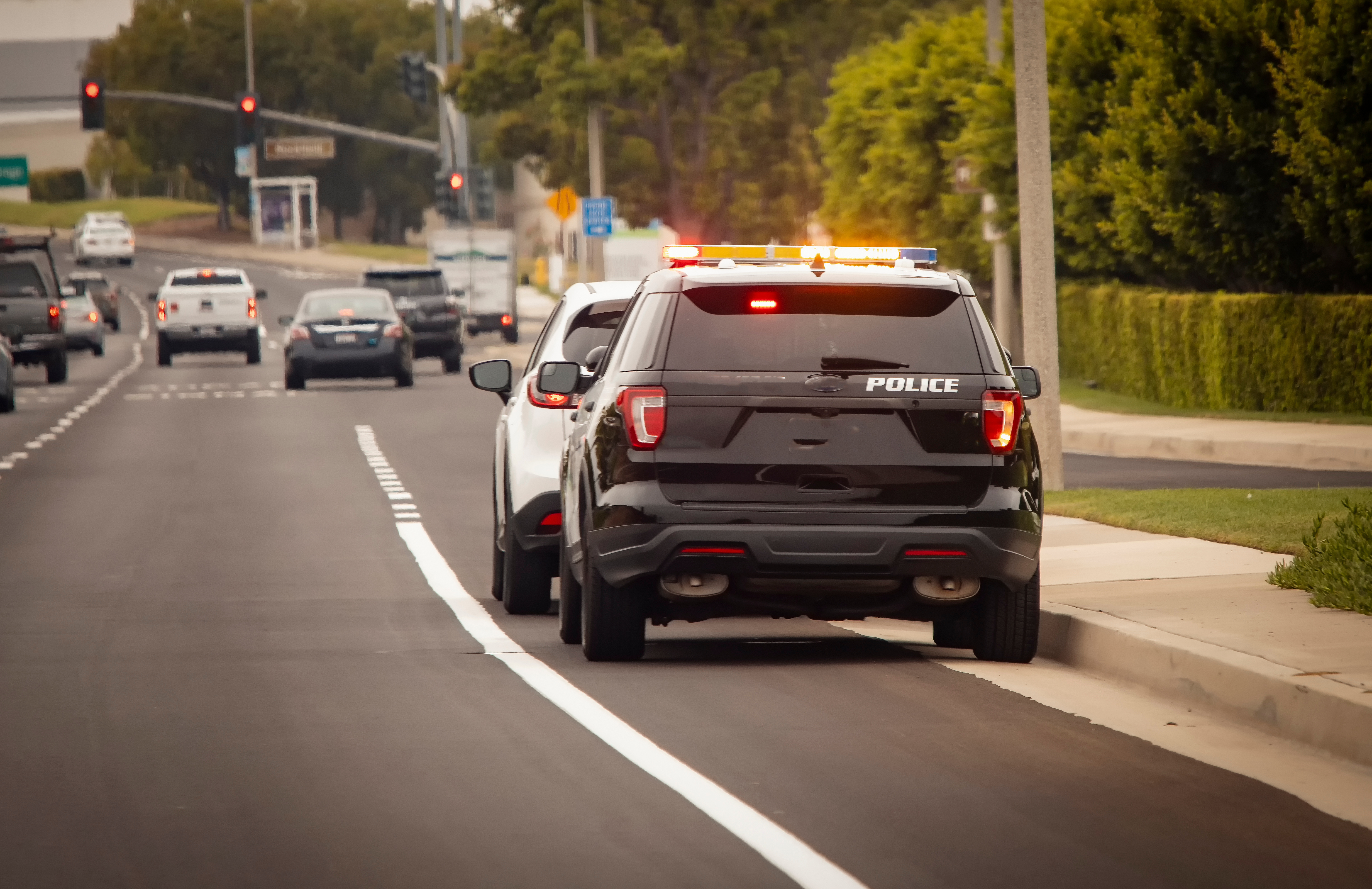
Guide your teen on how to handle emergencies or unexpected situations that could happen while driving. Have them practice safely pulling over to the side of the road. Encourage them to remain calm when dealing with problems while driving.
Talk about what steps to take if the car breaks down or if they are in an accident. Teach them how to respond if they are pulled over by a police officer.
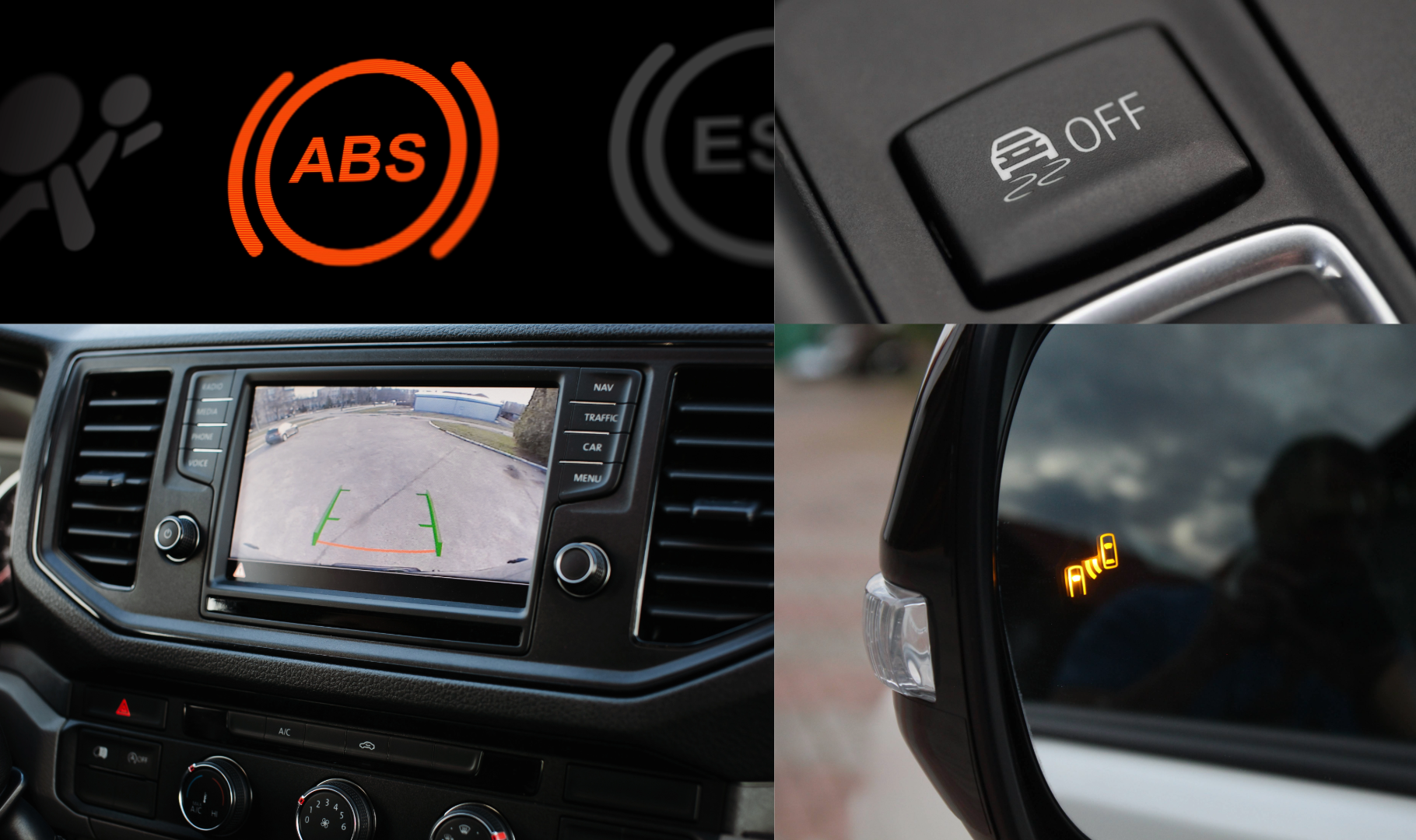
Many cars have built-in safety features to help avoid accidents. This can include automatic braking, blind spot detection, backup cameras, and lane keep assist. Make sure your teen understands these features and how they work.

Each time you teach your teen to drive, talk about the route you will take and the skills they need to practice. Give clear directions and encourage them to talk about what they notice while driving.
Stay calm when your teen makes a mistake. Have them carefully pull over and discuss what could be done differently. Compliment them on what they did well and review their progress each time they drive.

The risk of a car accident is highest in a teen's first year of driving. Provide as much supervised driving experience as possible, with at least 30-50 hours over six months.
Accidents are more likely to occur at night. Practice driving after dark, and consider limiting driving after 9 to 10 PM in the first six months.

Do you have questions about teen driver safety?
Call our FREE Safety Store Helpline at 317-274-6565. You can talk live with our staff Monday-Friday from 9:00 AM to 4:00 PM about your safety questions.