
FOR MORE INFORMATION
nhtsa.gov: Winter Weather Driving Tips
in.gov: Winter Driving Safety Tips
in.gov: Get Prepared - Winter Travel
healthychildren.org: Winter Driving Safety Tips for Your Teen
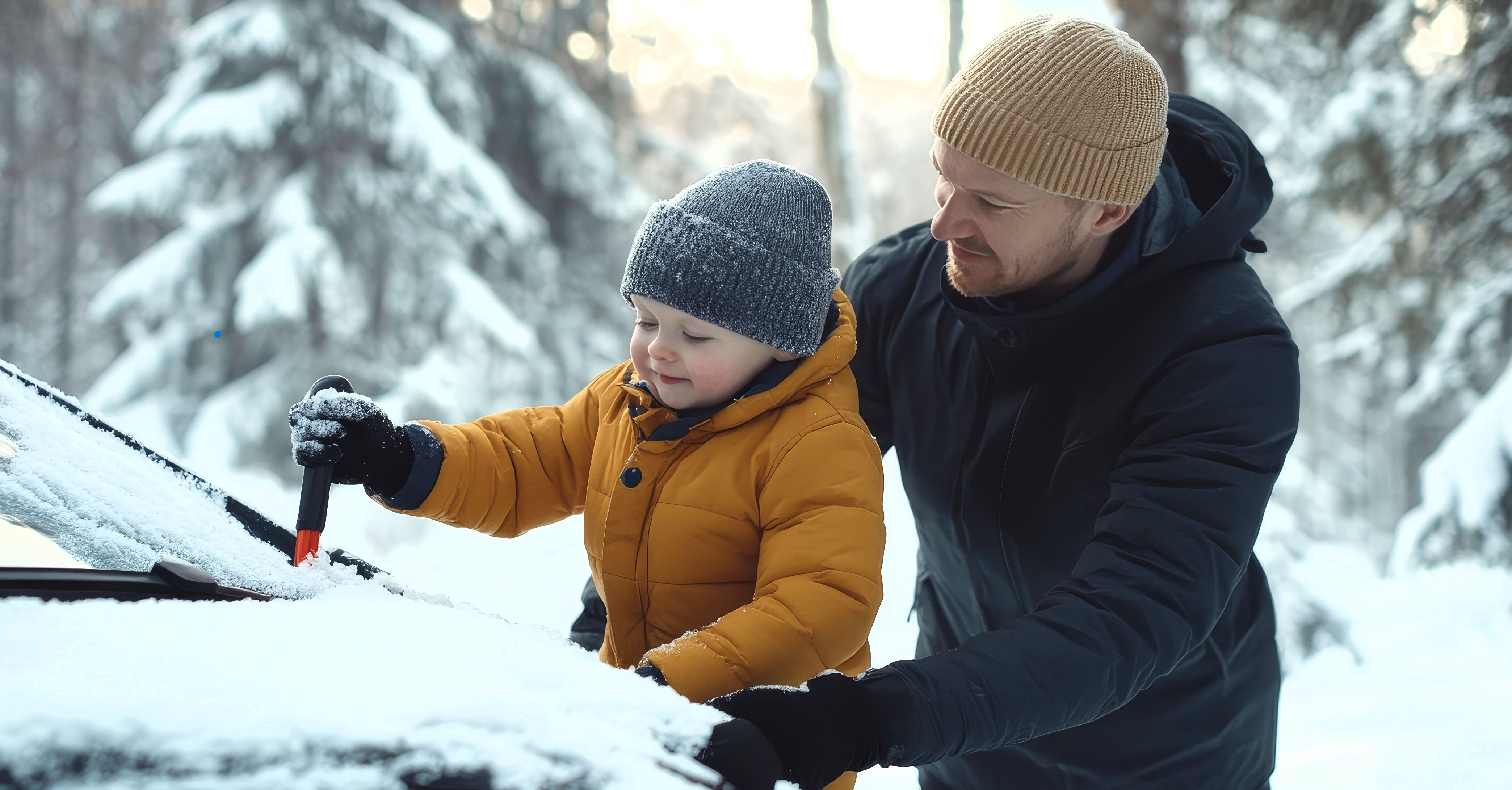
Winter weather can make driving a challenge with snow, ice, and slippery road conditions. Make sure you're prepared by following the tips below.
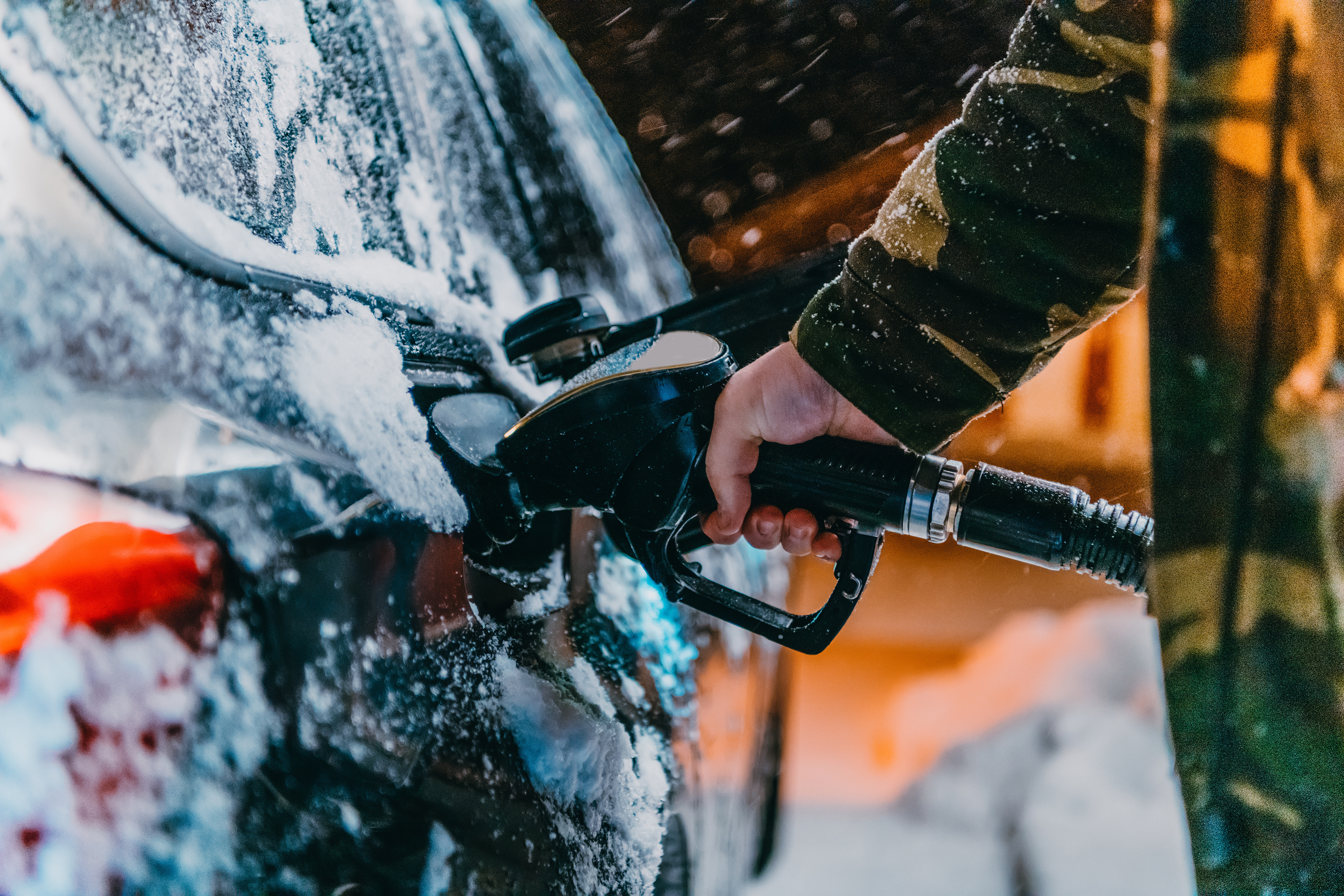
Before driving in winter weather, make sure your vehicle is prepared. Check the tire pressure and that your headlights, brake lights, hazard lights, and turn signals are working. Ensure you have enough gas or charge to safely get to your destination.
Plan your route ahead of time and check the weather forecast before you leave. Give yourself extra time to reach your destination.
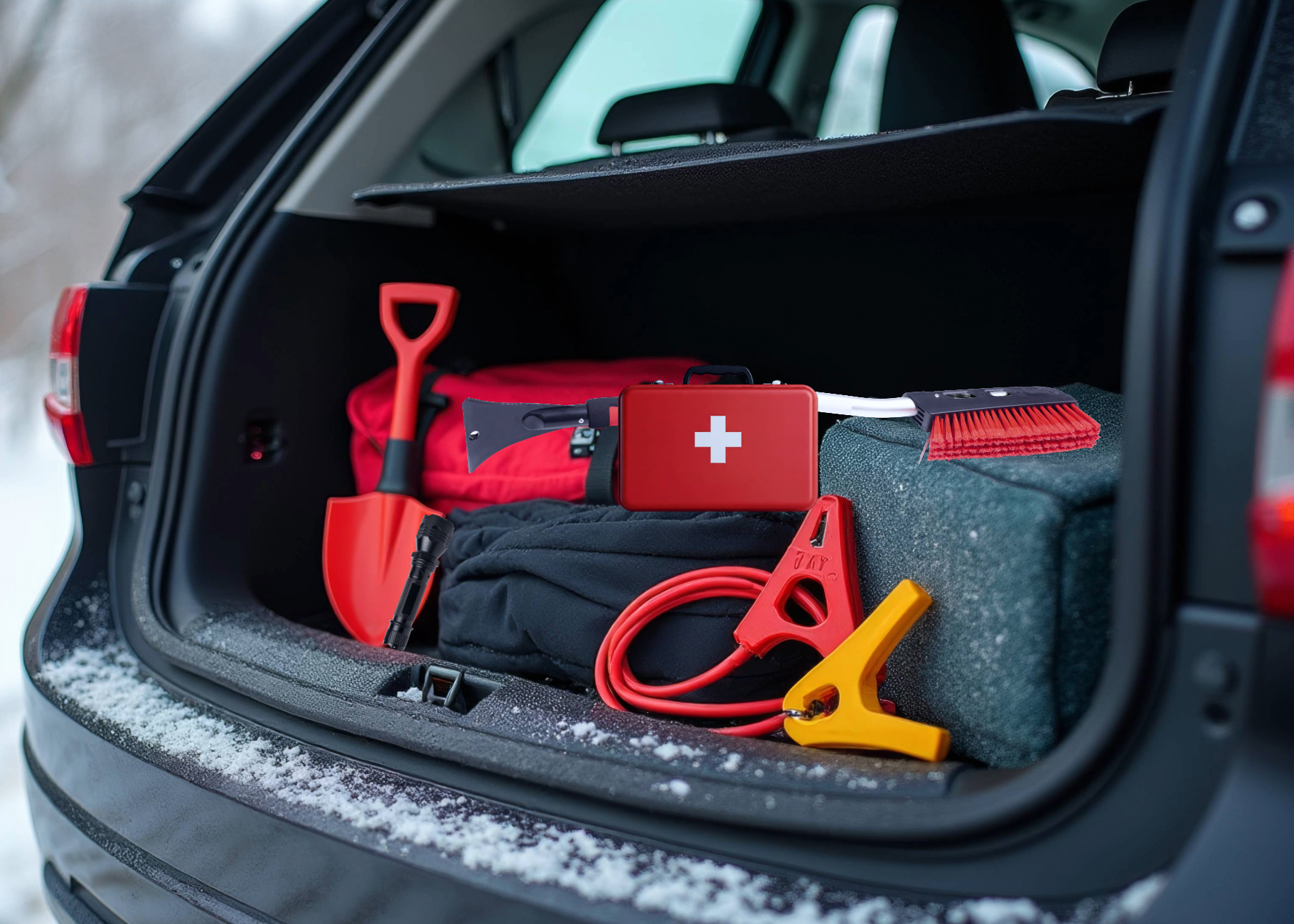
Consider keeping the following items in your car to help with winter driving tasks and emergencies:
- Ice Scrapers & Brushes
- Snow Shovels
- Jumper Cables
- Flares
- First Aid Kit
- Portable Phone Charger
- Blankets
- Water and Non-Perishable Snacks
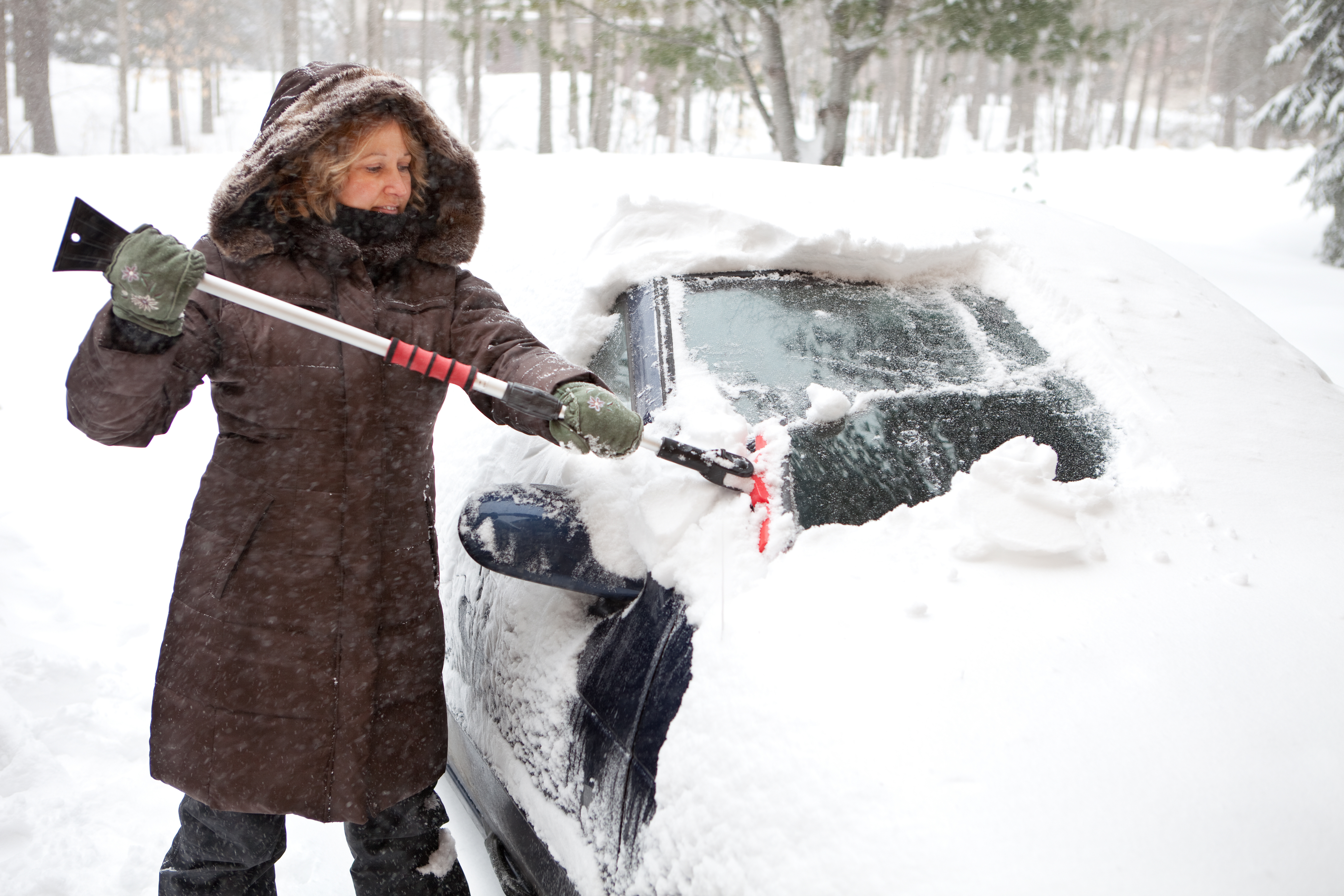
Always make sure to clear the snow and ice from windshields, windows, mirrors, the front hood, and the top of your car before driving. Make sure your headlights and brake lights are clear to help other drivers see you while you're on the road.
Do not allow your car to run while in a closed space, such as a garage. This will help you avoid carbon monoxide poisoning.
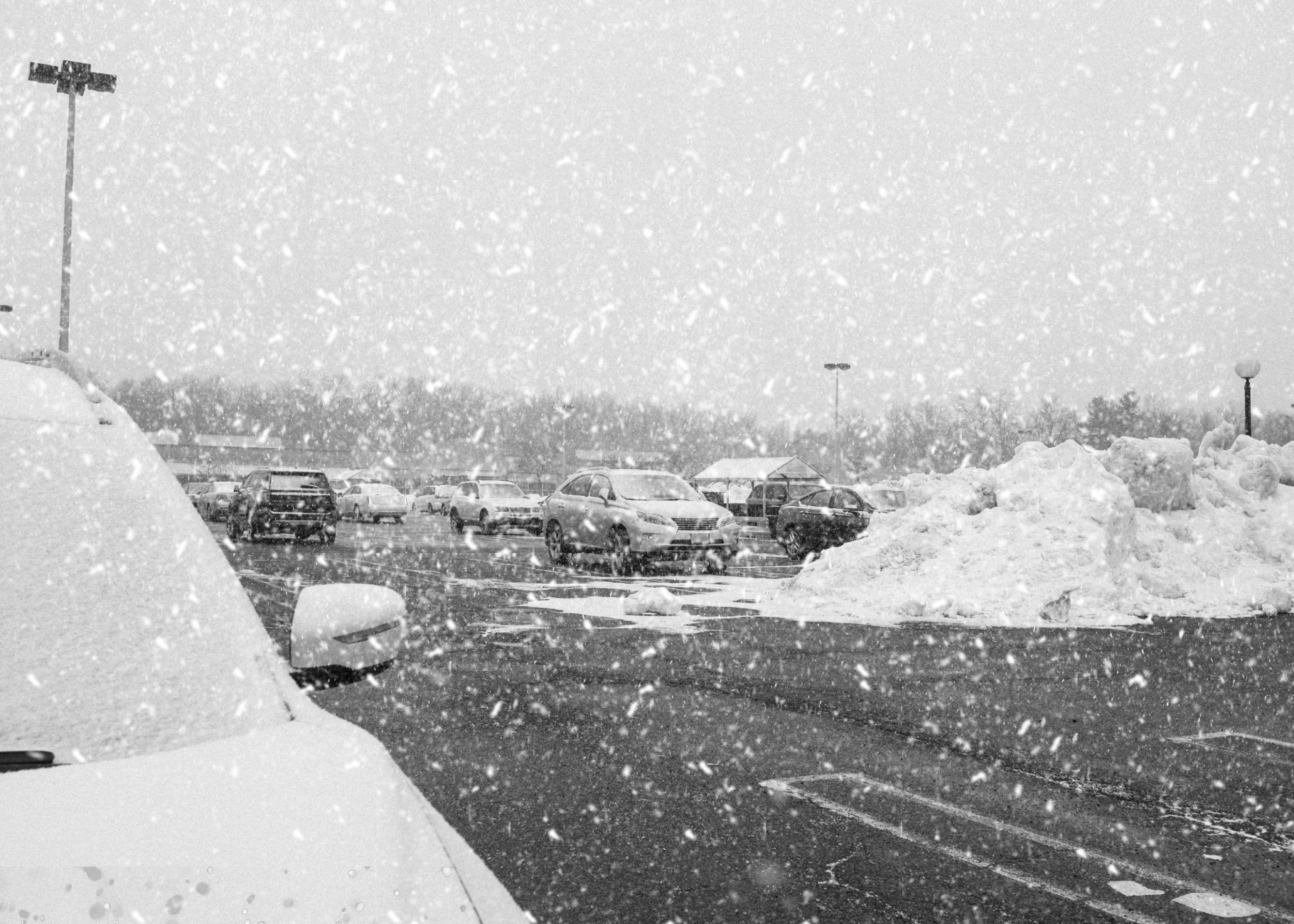
If visibility is low while driving in the snow, look for a safe place to stop. Avoid pulling over and stopping on the shoulder unless necessary, as other drivers may not see you. Stay off the road until visibility improves and you feel safe to continue driving.
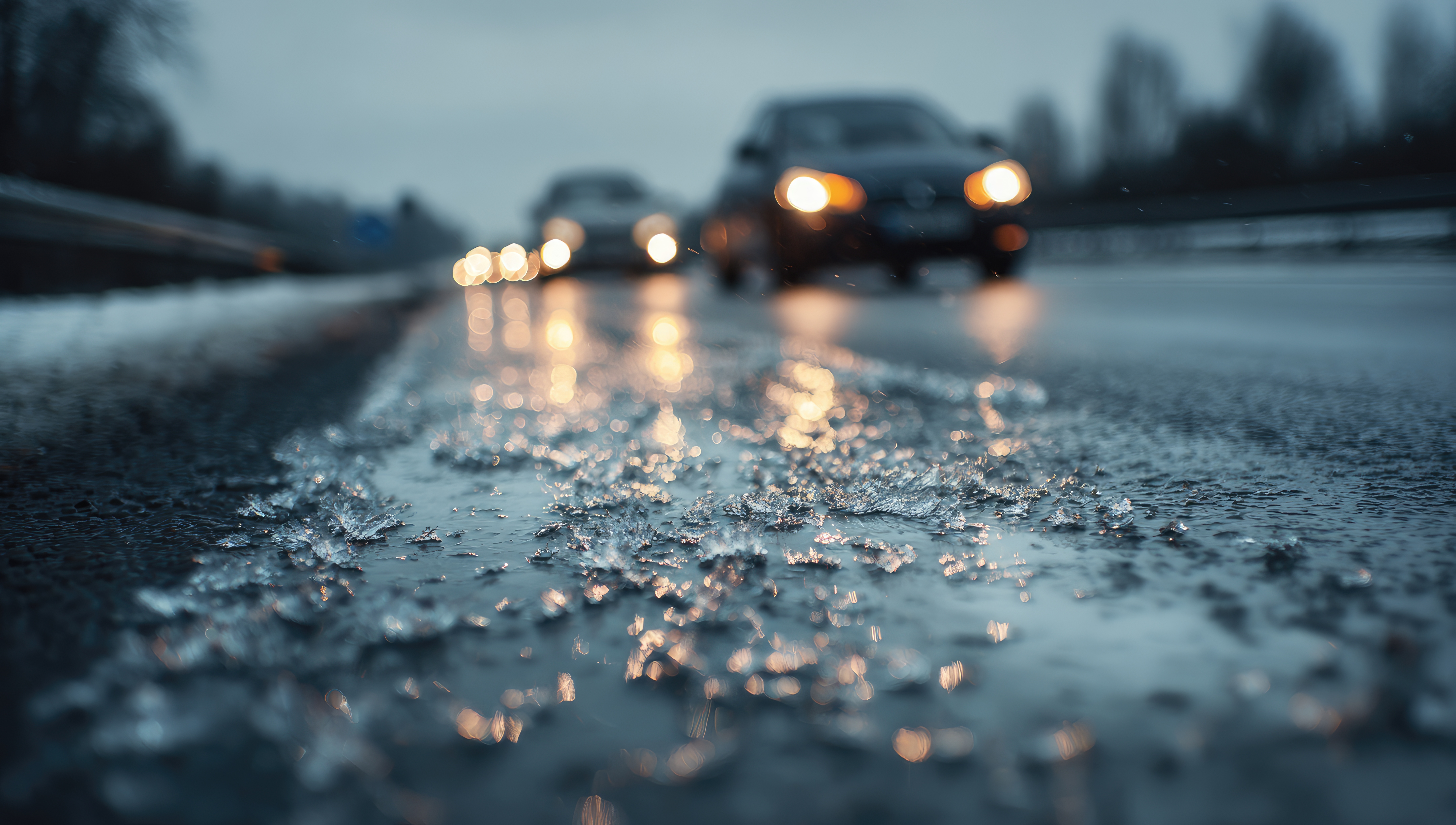
Be alert for black ice on roads and bridges. Black ice is a very thin and clear layer of ice that can form on roads or other surfaces, making it slippery and hard to see. It's called black ice because it blends in with the dark pavement. It can happen when freezing rain falls, when melted snow freezes again, or even when fog turns into ice making it very dangerous to drive.
Black ice is more common at night, but it can also happen during the day. Keep in mind that bridges freeze faster than other areas of the road. Slow down or delay your travel until the weather improves.
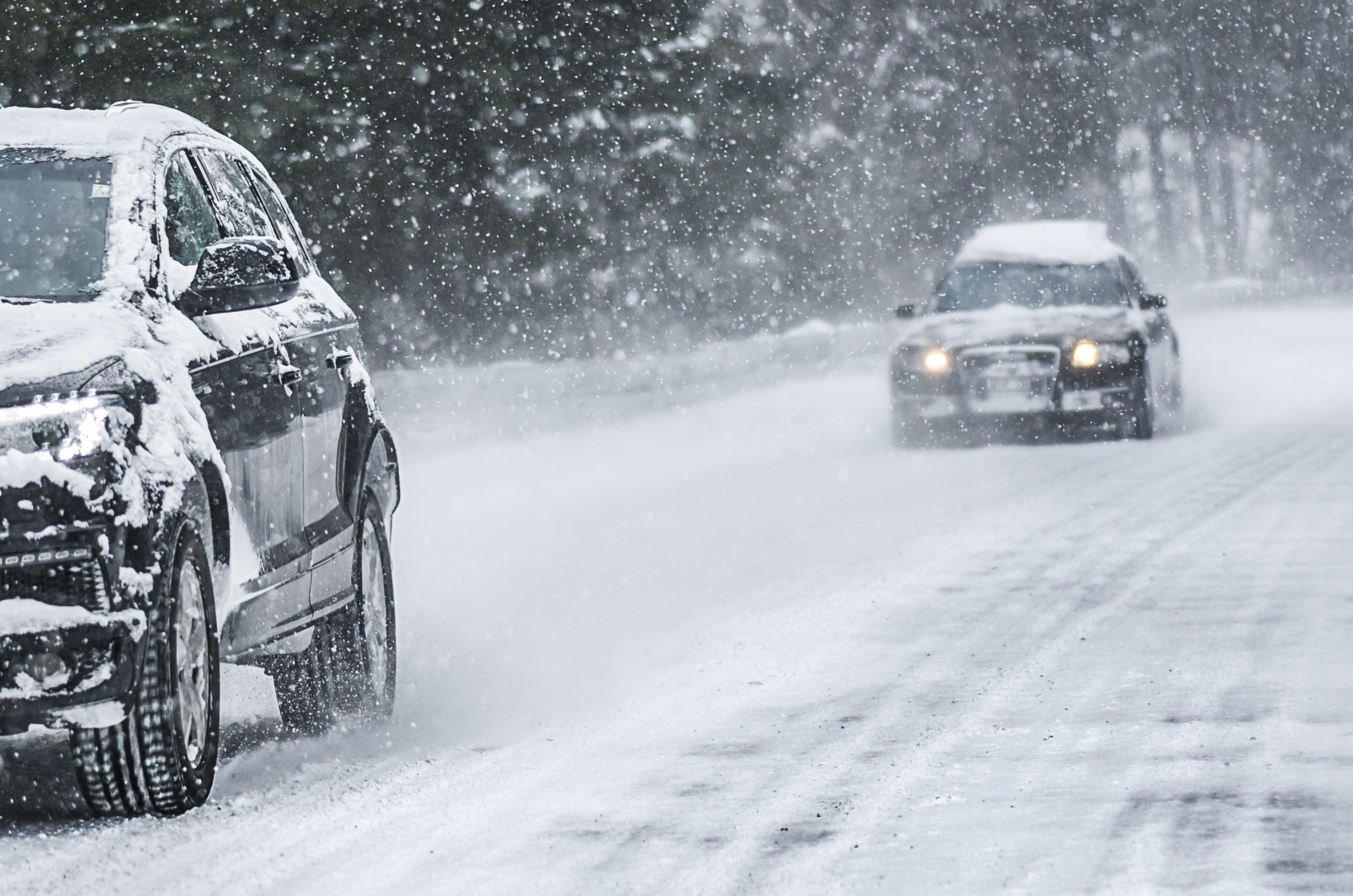
All vehicles can lose traction in ice and snow, including trucks and SUVs with four-wheel drive. Use the following tips to help stay safe while driving in winter weather conditions:
- Avoid speeding; drive slowly.
- Leave extra room between your vehicle and the one ahead of you so you have room to stop.
- Do not use cruise control.
- Begin moving slowly and avoid sudden stops.
- Hit the brakes slowly and gently if possible.
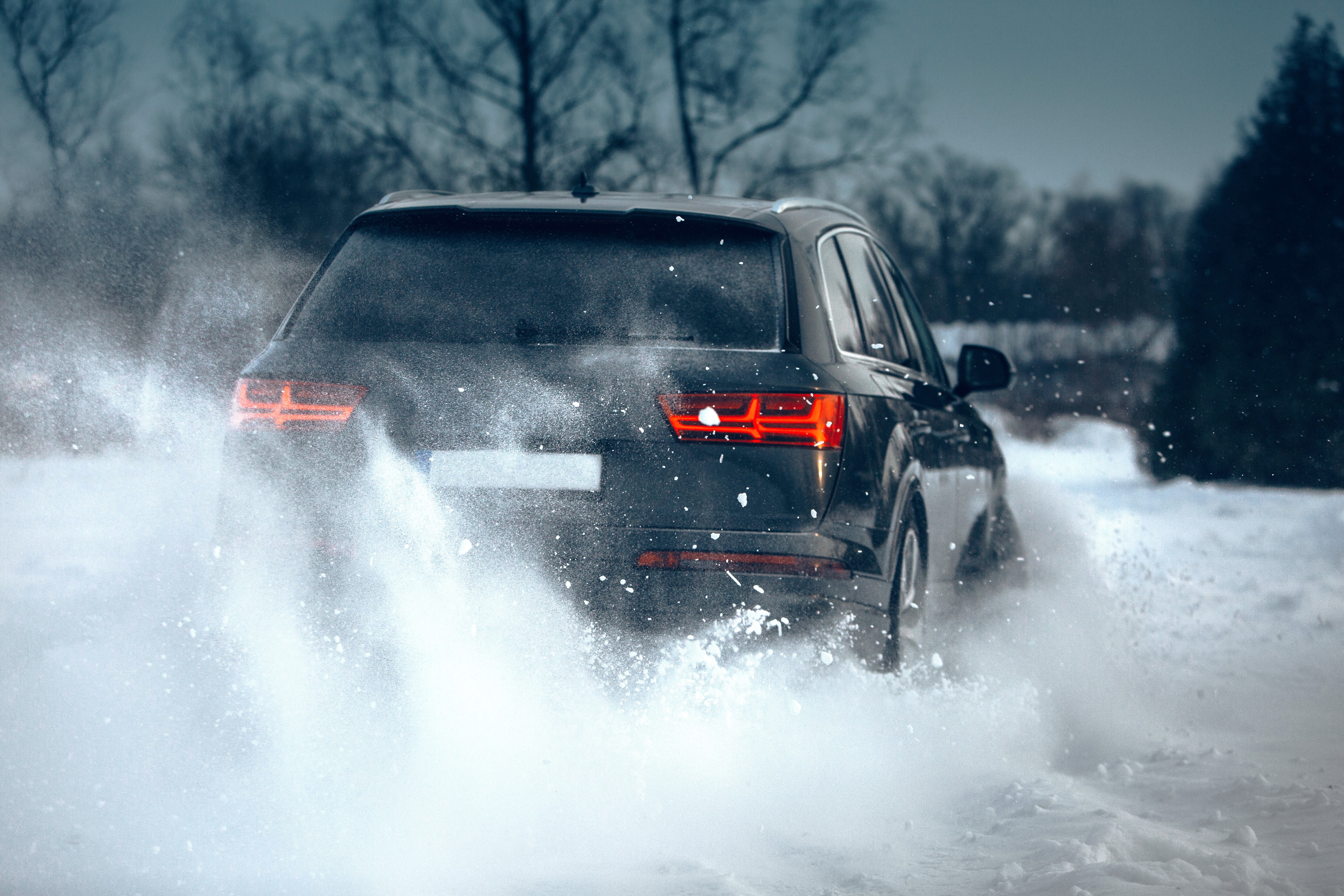
If your car starts sliding, try not to panic. Turn the wheel gently in the direction of the slide. For example, if the rear of the car is sliding to the left, turn the wheel towards the left. Keep your hands on the steering wheel and do not slam on the brakes.
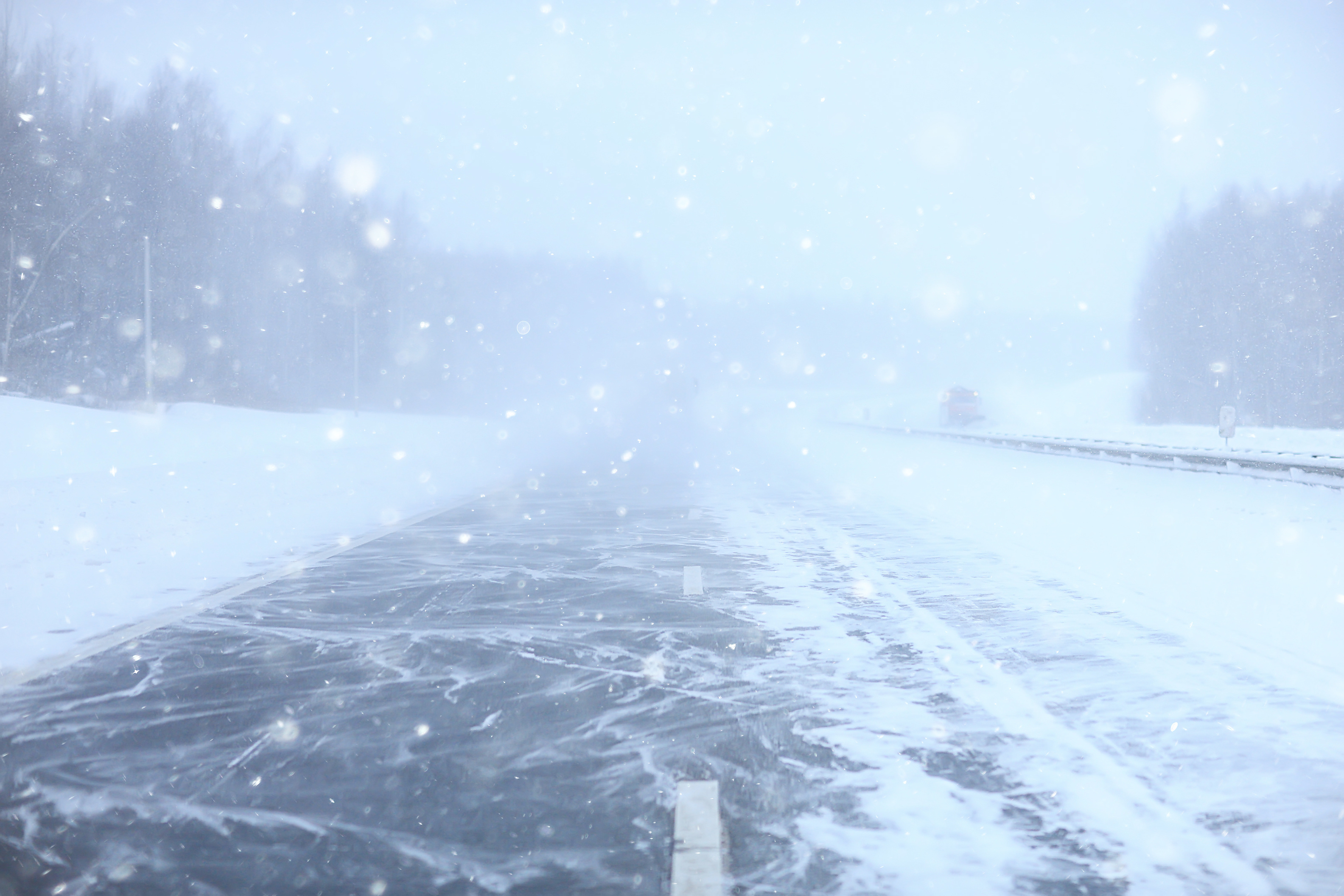
Stay alert for quickly changing and worsening weather conditions, such as snow squalls. These are periods of time with heavy snow and wind, creating extremely limited visibility and slick roads. If you are caught in a snow squall, pull off of the road and delay travel until it has passed.
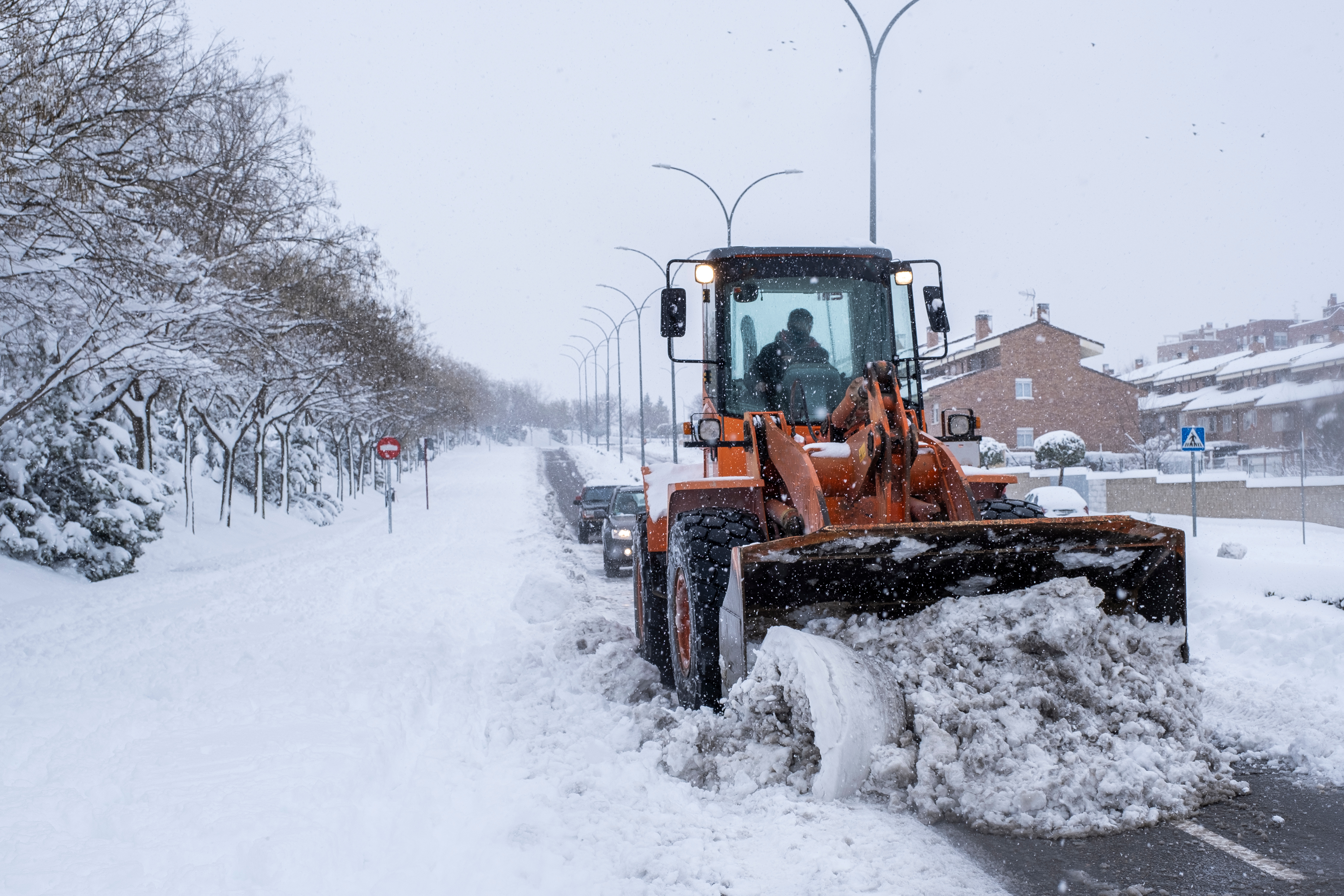
Give snowplows plenty of extra space on the road. Be patient as snowplows drive at a slower speed. Do not follow closely behind them and avoid passing if possible. If you must pass, go slowly and use caution.
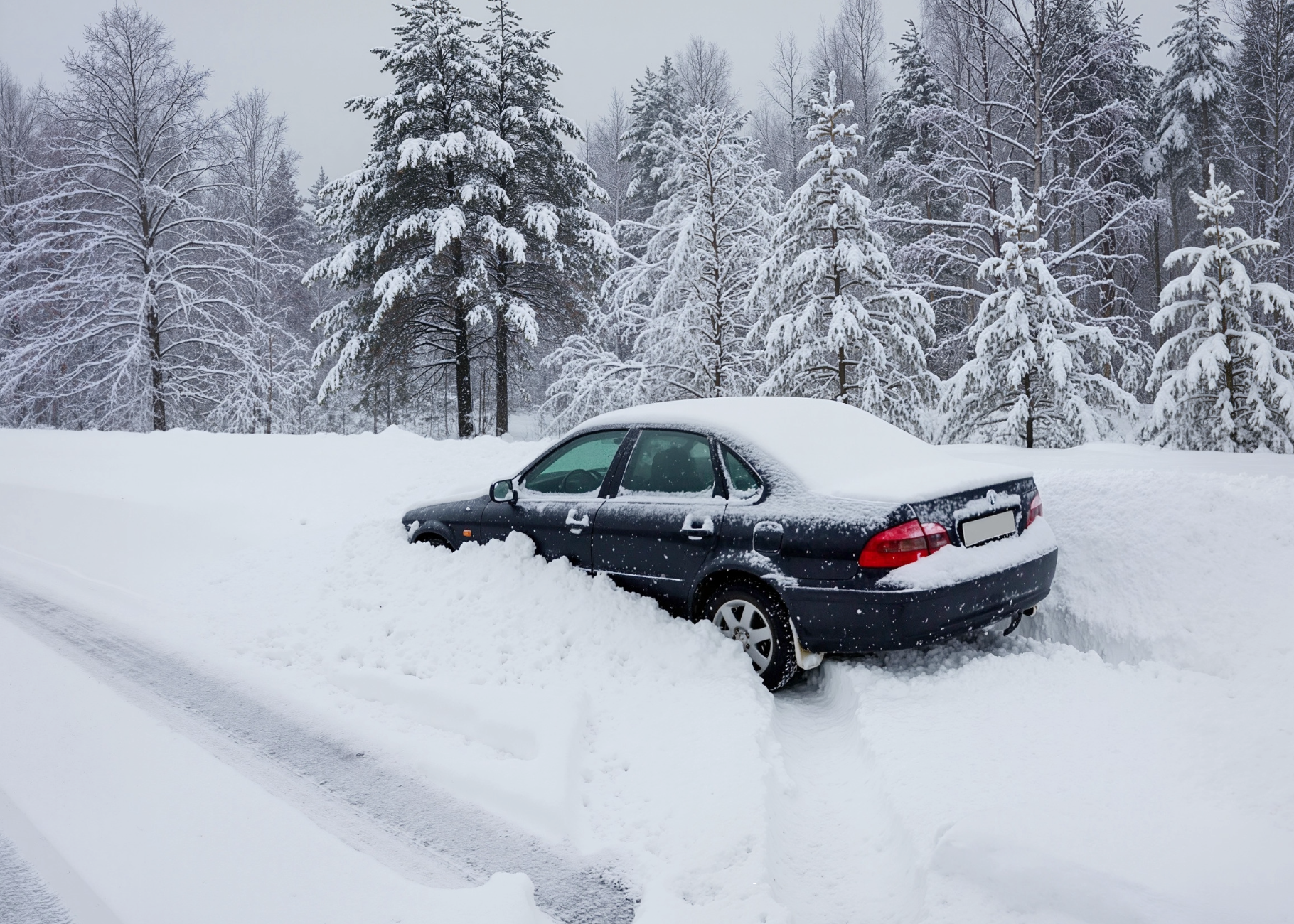
If you are stranded in winter weather, remain with your vehicle. If possible, use your phone to call for help. If it is not snowing, open the hood of your vehicle to signal that you need help.
Run your car for five minutes every half hour to stay warm. Make sure there is no snow blocking your exhaust pipe and keep a window cracked while the vehicle is running. This will help prevent carbon monoxide poisoning.

Do you have questions about winter driving safety?
Call our FREE Safety Store Helpline at 317-274-6565. You can talk live with our staff Monday-Friday from 9:00 AM to 4:00 PM about your safety questions.