
FOR MORE INFORMATION
healthychildren.org: Diseases Spread by Insects & Animals

Define wild animals
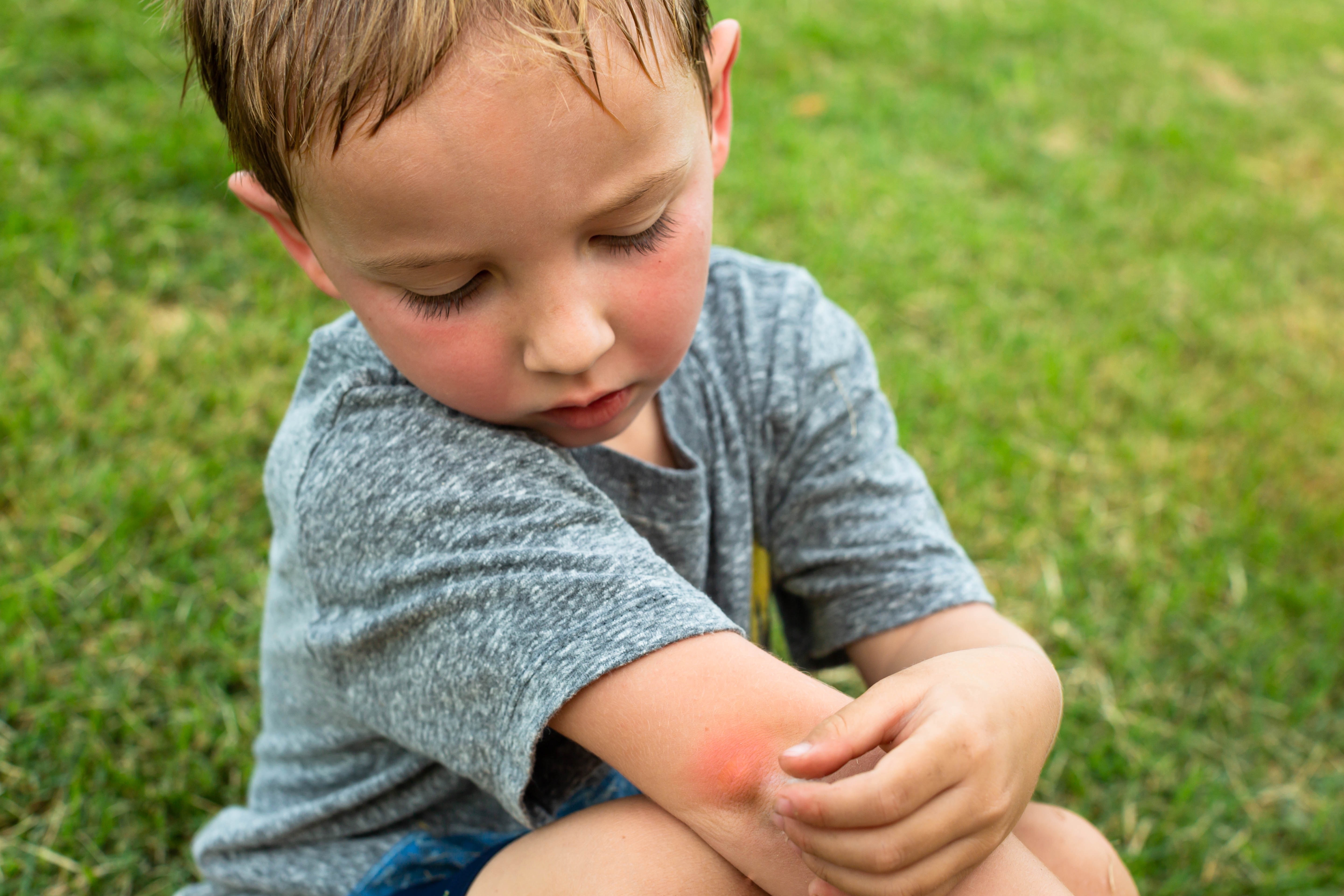
Insect bites typically cause a small red bump, often looking like hives or a rash. The bite may develop into a blister, especially in younger children.
Treat itchy bites with steroid cream or a warm wet washcloth and allergy medicine if itching is severe and the child is over 1 year old.
For painful bites, you can rub the area with a baking soda solution for 15-20 minutes or apply a cold compress wrapped in a washcloth. You can also provide medicine, such as Tylenol or Ibuprofen.

Seek immediate medical attention if your child has any of the following symptoms after an insect bite, as they could be a sign of a more serious reaction:
- Have had a past life-threatening reaction to the same insect and were bitten less than 2 hours ago
- Trouble breathing or wheezing
- Tightness in throat or chest
- Hard to wake up
- Acting confused
- Hives or swelling all over body
- Fever and the bite looks infected
- 20+ fire ant stings in a child less than 1 year old
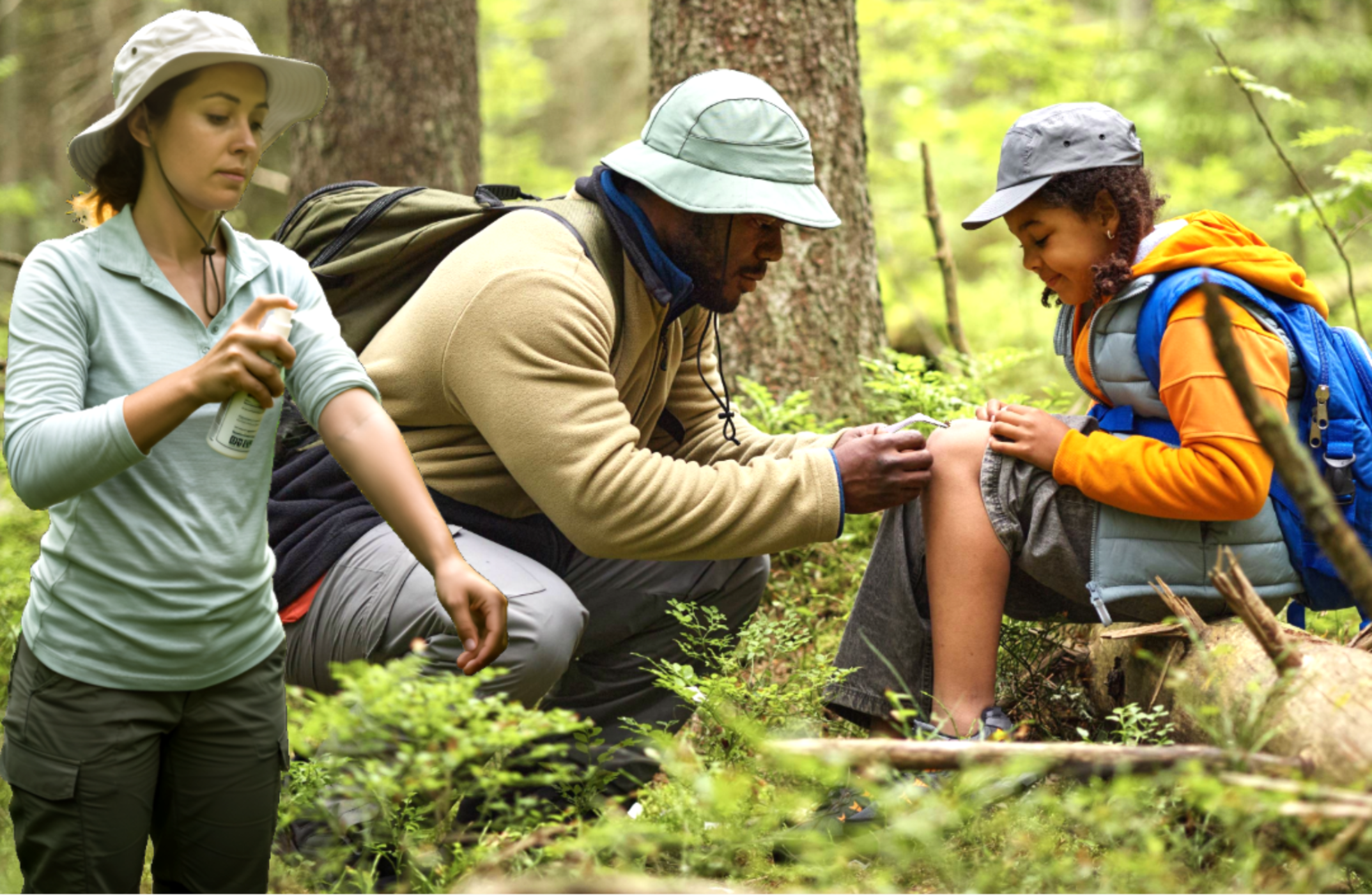
Ticks can be found in wooded areas, grass, brush, or on animals. Walk in the center of trails or sidewalks and use spray that helps repel ticks and other bugs. Look for products containing DEET or Picaridin to help protect your skin.
Wear light-colored hats, long sleeves, and pants to help protect against insects when walking outside. Do a full body check for ticks and other bugs on yourself, children, and pets.
If a tick bites and latches on to your skin, remove it immediately using tweezers if available. Clean the affected area, apply antibiotic ointment, and seek medical advice.
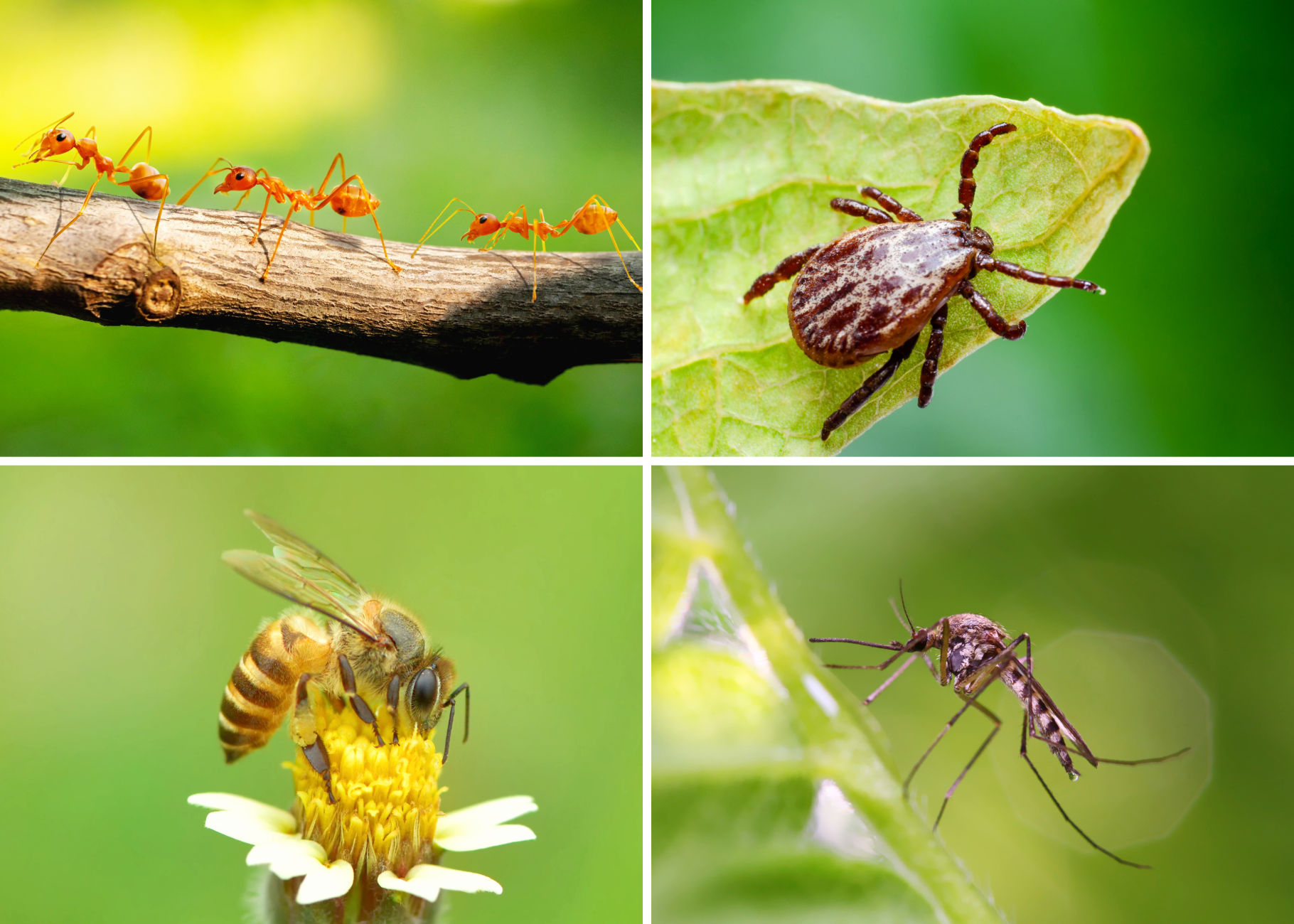
Click below to visit healthychildren.org for more information on treating insect bites and stings.
Lice and Bedbugs
Never approach any wild animals, such as skunks, raccoons, rodents, bears, snakes, and foxes.
If hiking, do not let children go further ahead or trail behind you. Alert animals to your presence by talking, clapping, or using bells or whistles.
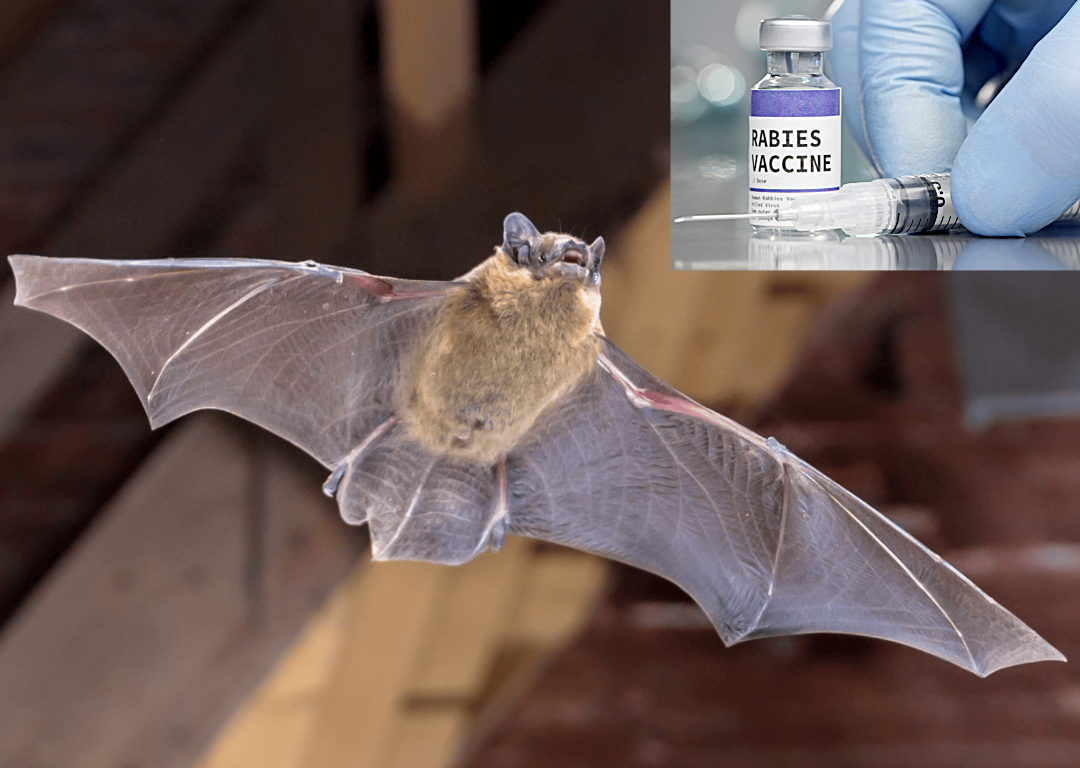
If you have direct contact with a bat, such as a bite or scratch, see a medical professional immediately for a rabies vaccine.
If you find a bat in the room of a baby or young child, seek medical attention, as there is a risk they were bitten. Bat bites or scratches can be hard to see, so it is best to have a medical provider help you inspect the skin and start treatment quickly if needed.
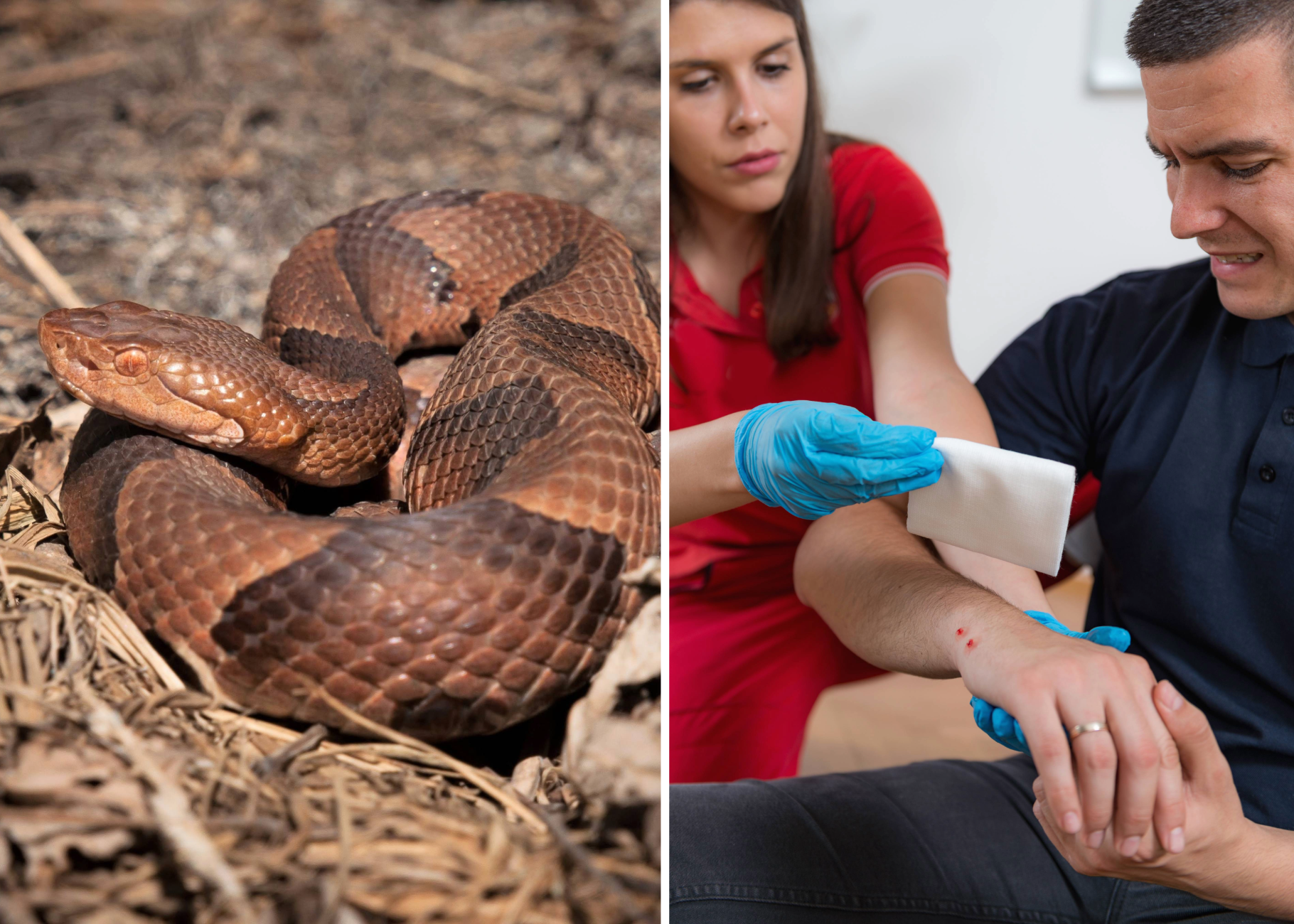
Snakes are commonly found in nature but can also be seen in or around buildings near tall grasses or wooded areas.
A snake bite will typically look like two small puncture wounds about half an inch apart. If bitten by a snake, call 911 and the Poison Help Hotline. If possible, try to provide a description of the snake. For more information, visit healthychildren.org-Snake Bites.
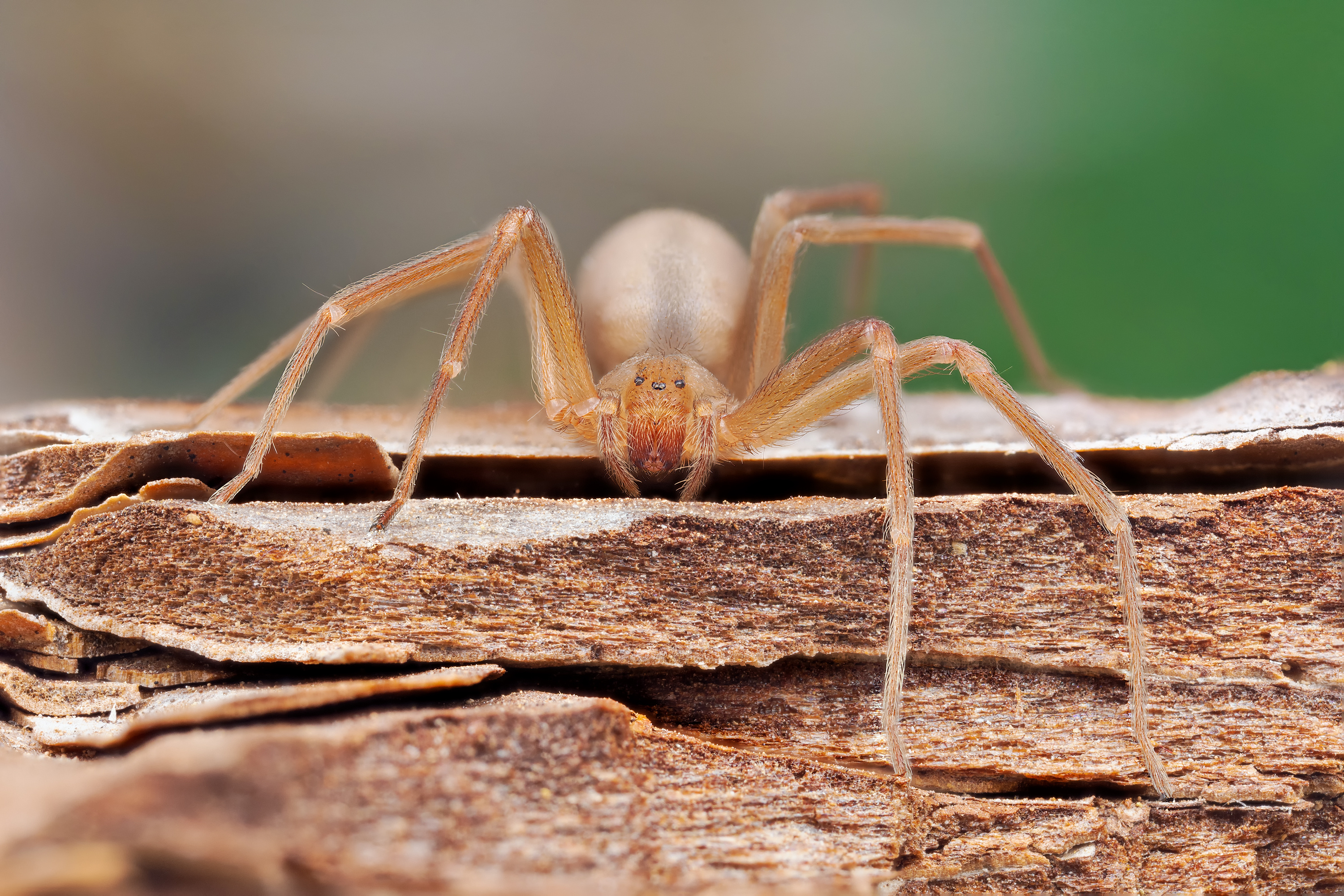
Most spider bites cause pain, redness, and swelling due to the venom injected during the bite, but most do not cause serious reactions.
If bitten by a spider, clean the bite with soap and water and apply a cold compress for 20 minutes. Take pain medication as needed. Seek immediate medical attention for trouble breathing, fainting, weakness, stomach pain, chest tightness, or if a Black or Brown Widow or Brown Recluse bite is suspected.
For more information about treatment, visit healthychildren.org - Spider Bites.
Rodents
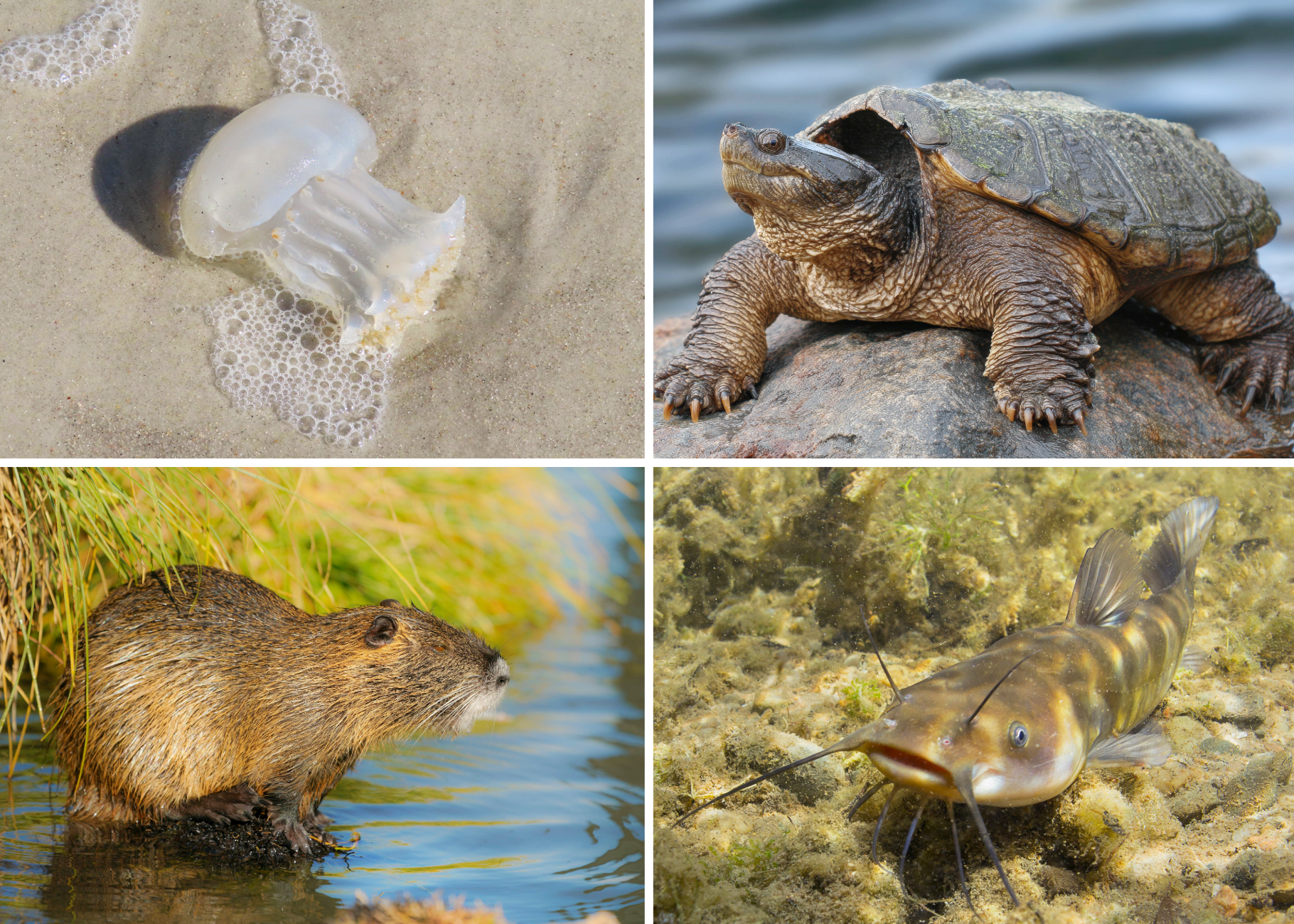
If visiting a lake, ocean, or beach, be aware of harmful animals. These could include snapping turtles, catfish, jellyfish, snakes, muskrats, or other local wildlife.
Supervise children at all times around water. Seek medical attention if injured by an animal.

Do you have questions about animal safety?
Call our FREE Safety Store Helpline at 317-274-6565. You can talk with our staff live Monday-Friday from 9:00 AM to 4:00 PM about your safety questions.