

Wild Animals

Wild animals are everywhere, from hiking trails and lakes to your own yard. Interactions with wild animals can cause bites, scratches, stings, or other health problems. Check out these tips to stay safe around wild animals:

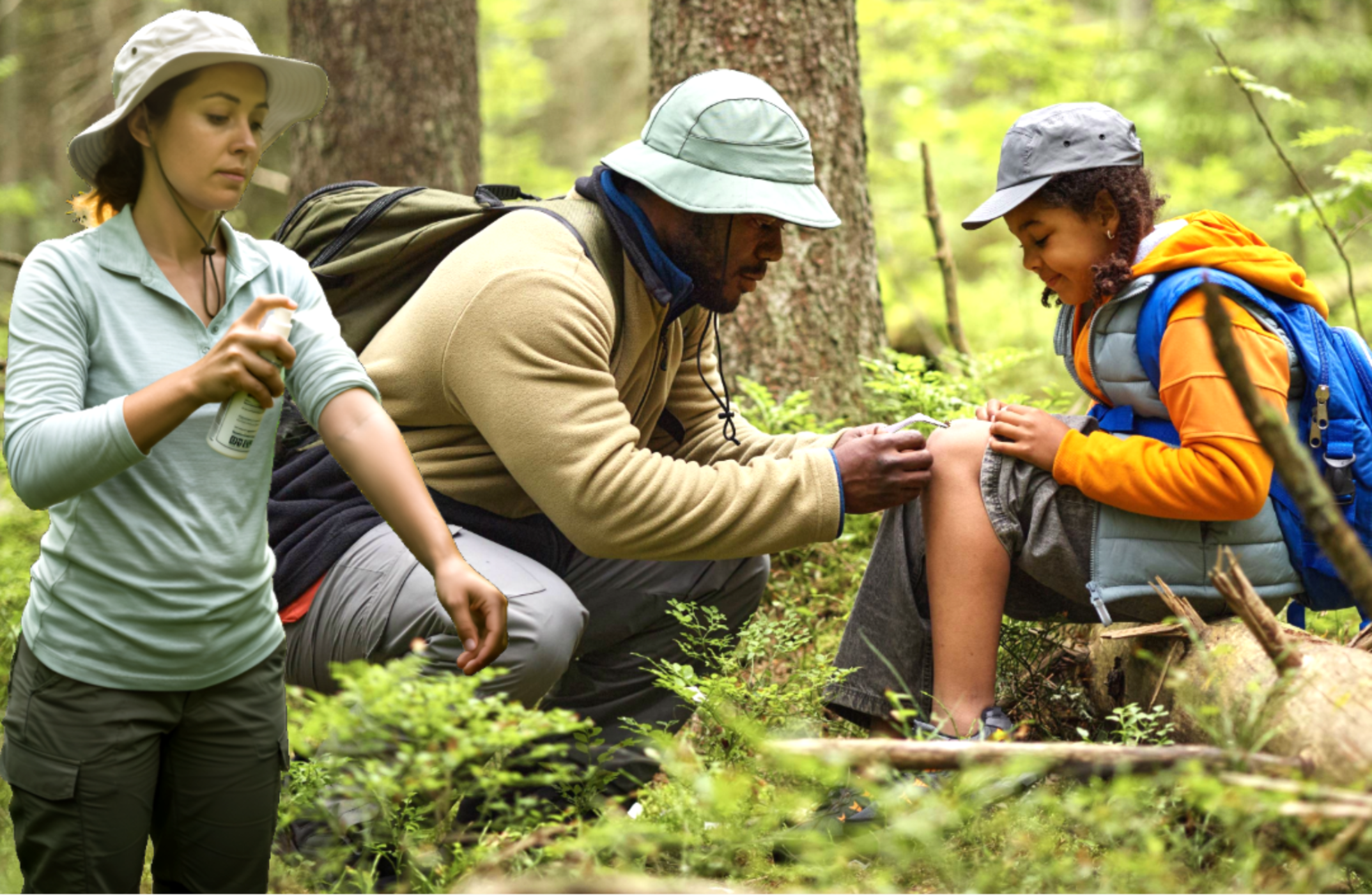
If hiking, do not let children go further ahead or trail behind you. Alert animals that you are near them by talking, clapping, or using bells or whistles.


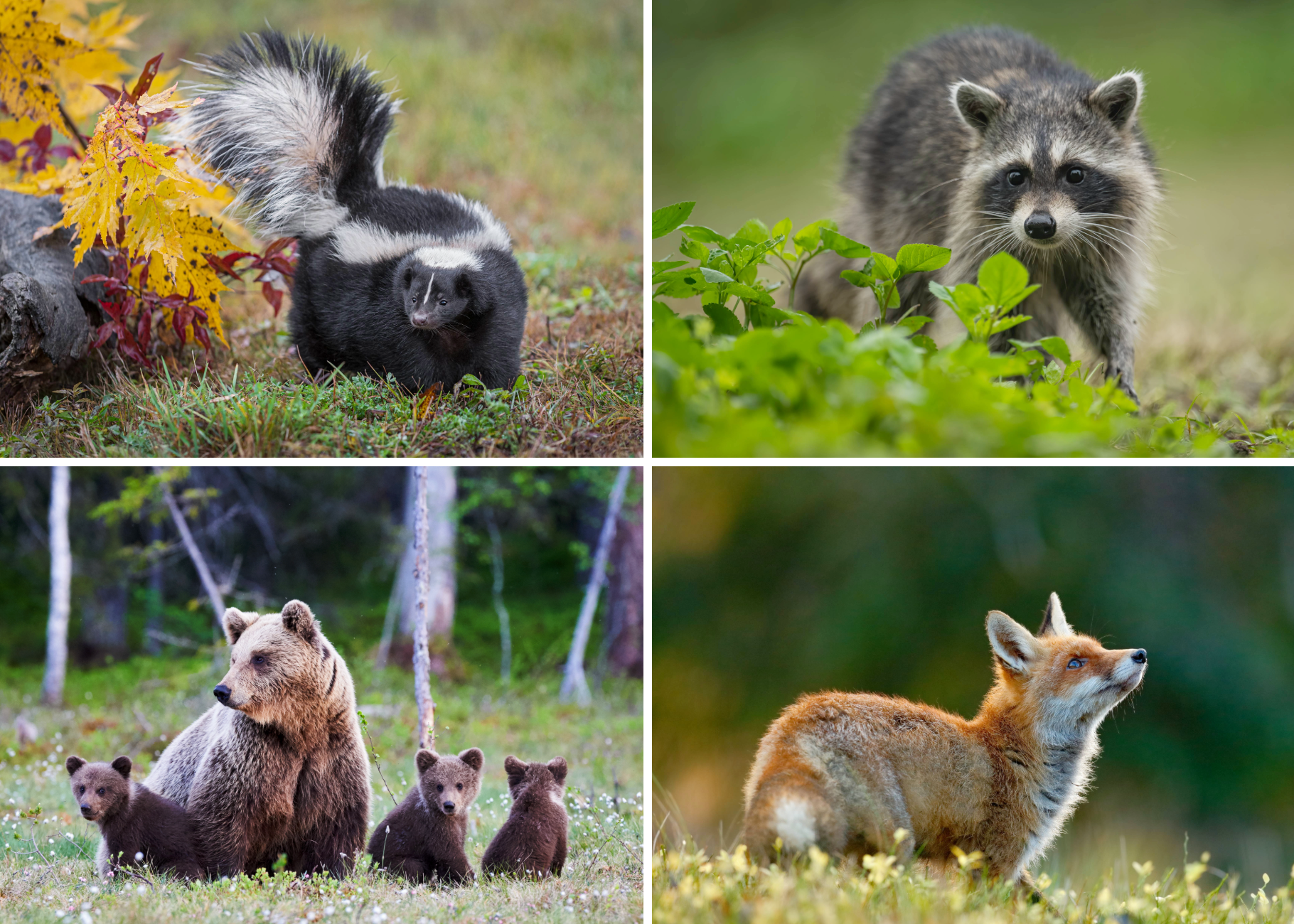
Never approach wild animals like skunks, racoons, rodents, bears, snakes, deer or foxes.

Ticks can be found in wooded areas, grass, brush, or on animals.Tick bites can spread disease. To help avoid tick bites:

- Walk in the center of trails or sidewalks.

- Use spray that helps repel ticks and other bugs. Look for products that contain DEET or picaridin.

- Wear light-colored hats, long sleeves, and pants.

- Do a full body check for ticks and other bugs on yourself, children, and pets after outdoor activities.

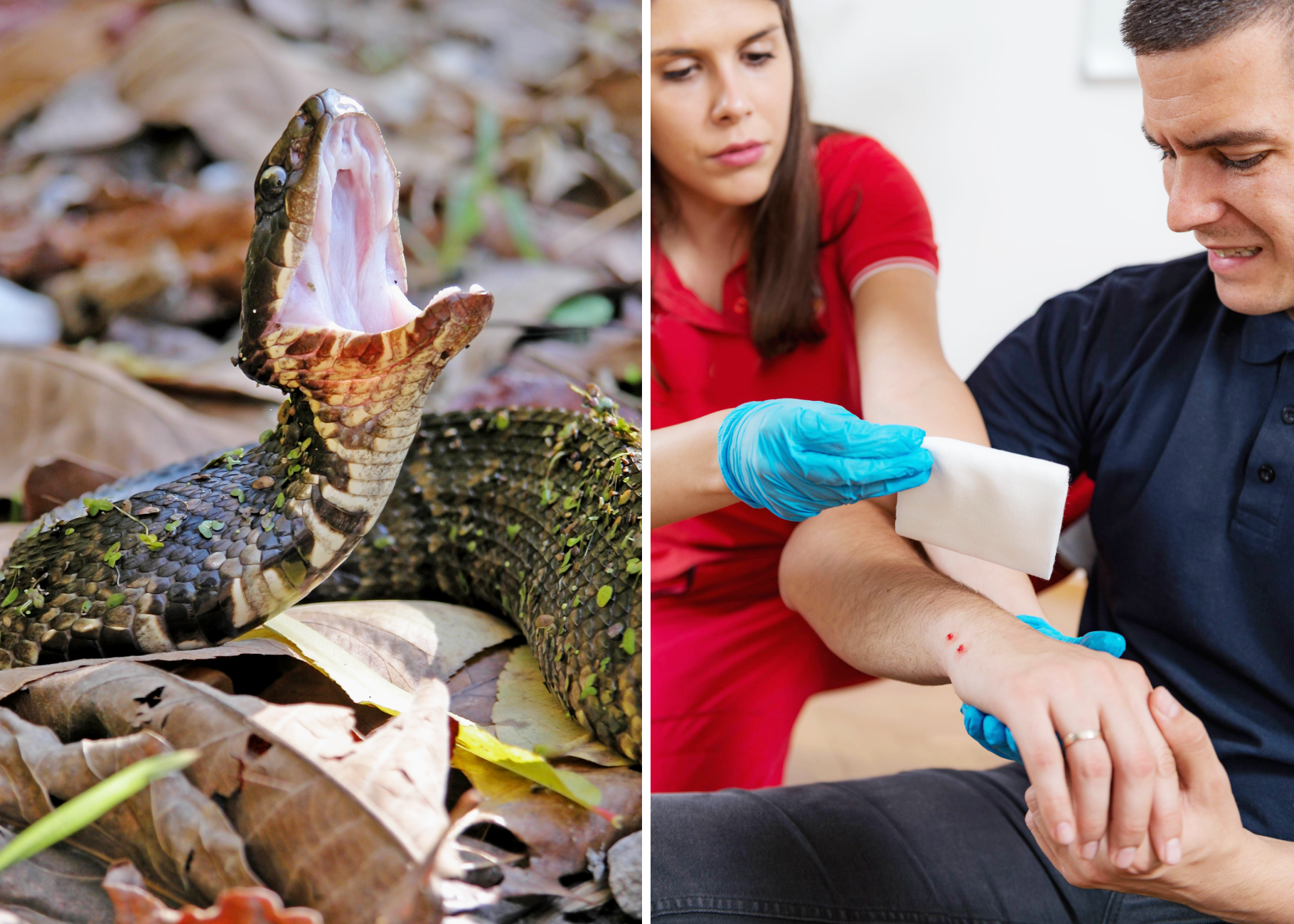
Snakes are commonly found in nature. They can be seen inside or around buildings, near tall grasses, or in wooded areas.


A snake bite will typically look like two small puncture wounds about half an inch apart. If bitten by a snake, call 911 and the Poison Help Hotline. If possible, try to provide a description of the snake. For more information, visit healthychildren.org-Snake Bites.

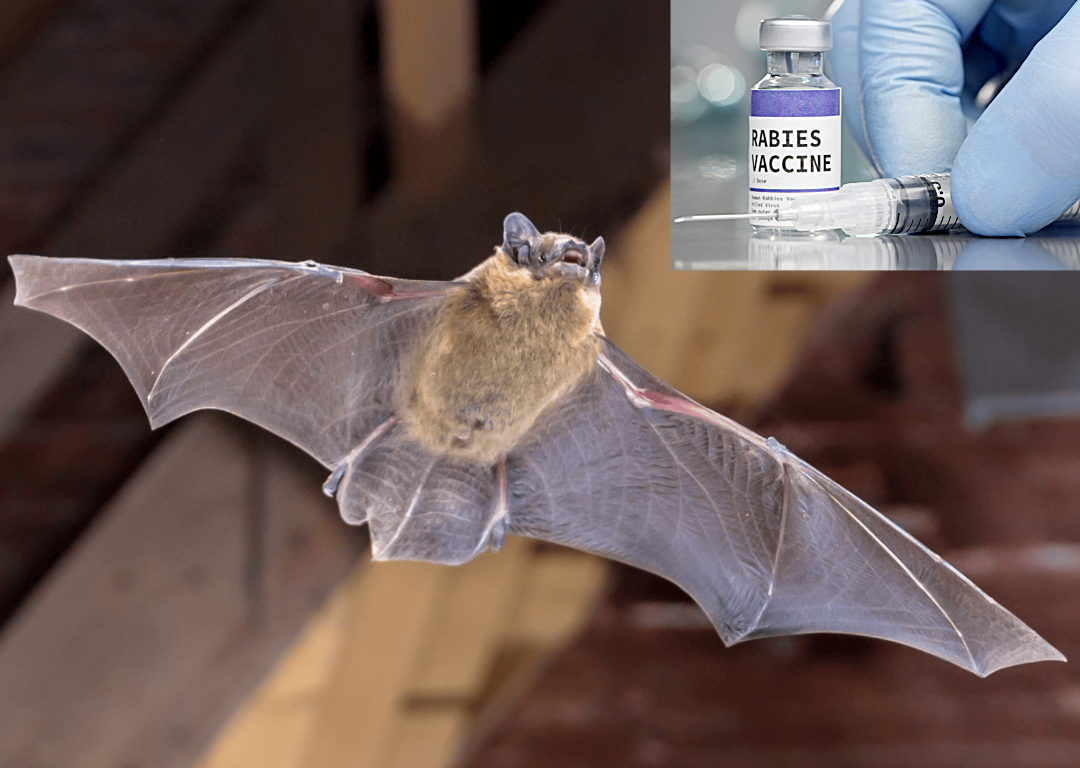
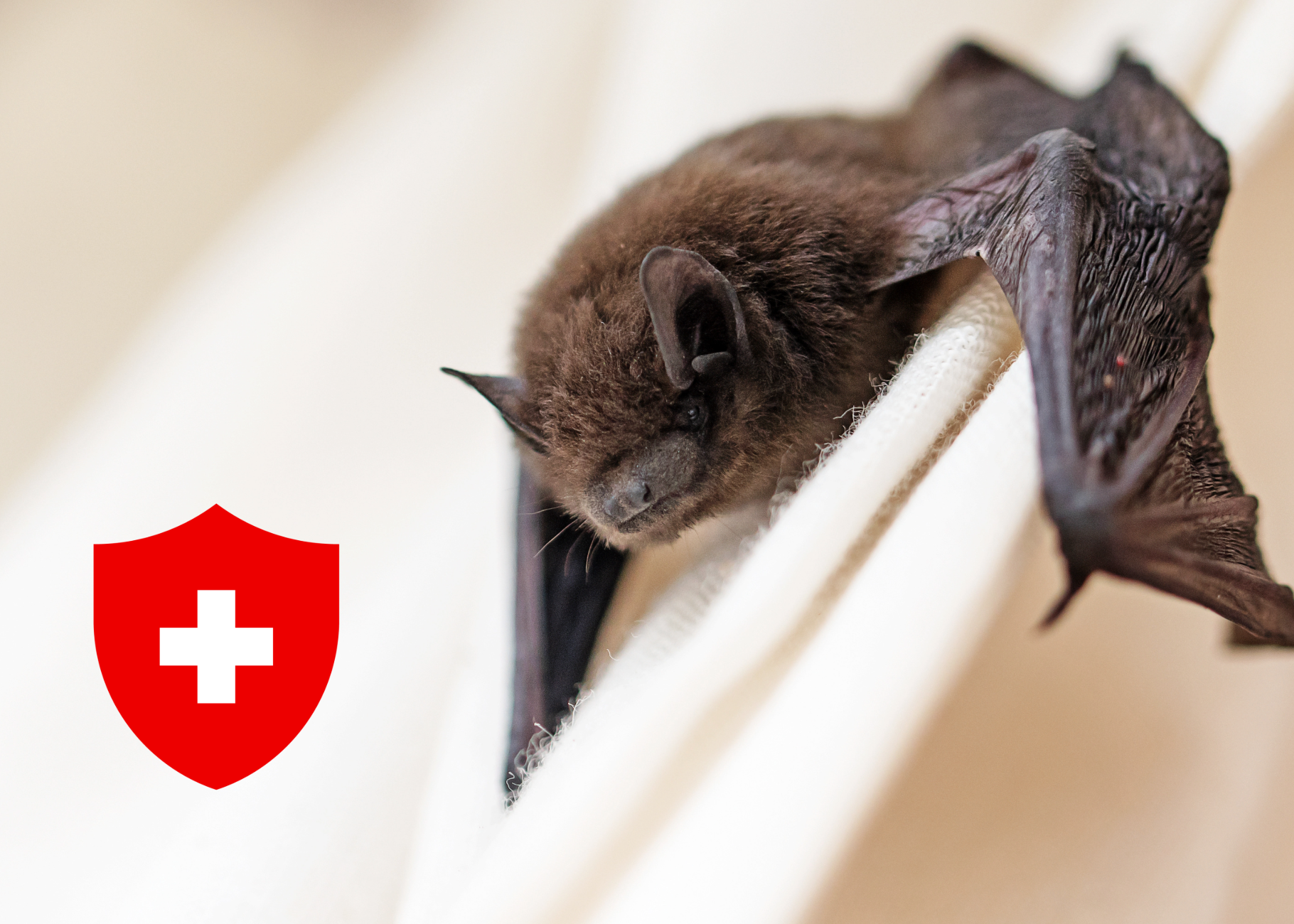
Bats can cause harm by transmitting rabies. If you have direct contact with a bat, such as a bite or scratch, wash the area with soap and water for 10-15 minutes, then see a medical professional immediately for rabies treatment.


Bat bites or scratches can be hard to see, so it is best to have a medical provider help you inspect your skin and start treatment quickly if you have been in contact with a bat. If you find a bat in the room of a baby or young child, anyone who was asleep, or a person who may not be able to tell you if they were bitten, seek medical attention immediately.

If you can do so safely, isolate the bat (put a bucket over it) and contact your local animal control or health department for rabies testing. It is important not to damage the bat's head, as the brain is needed for testing.

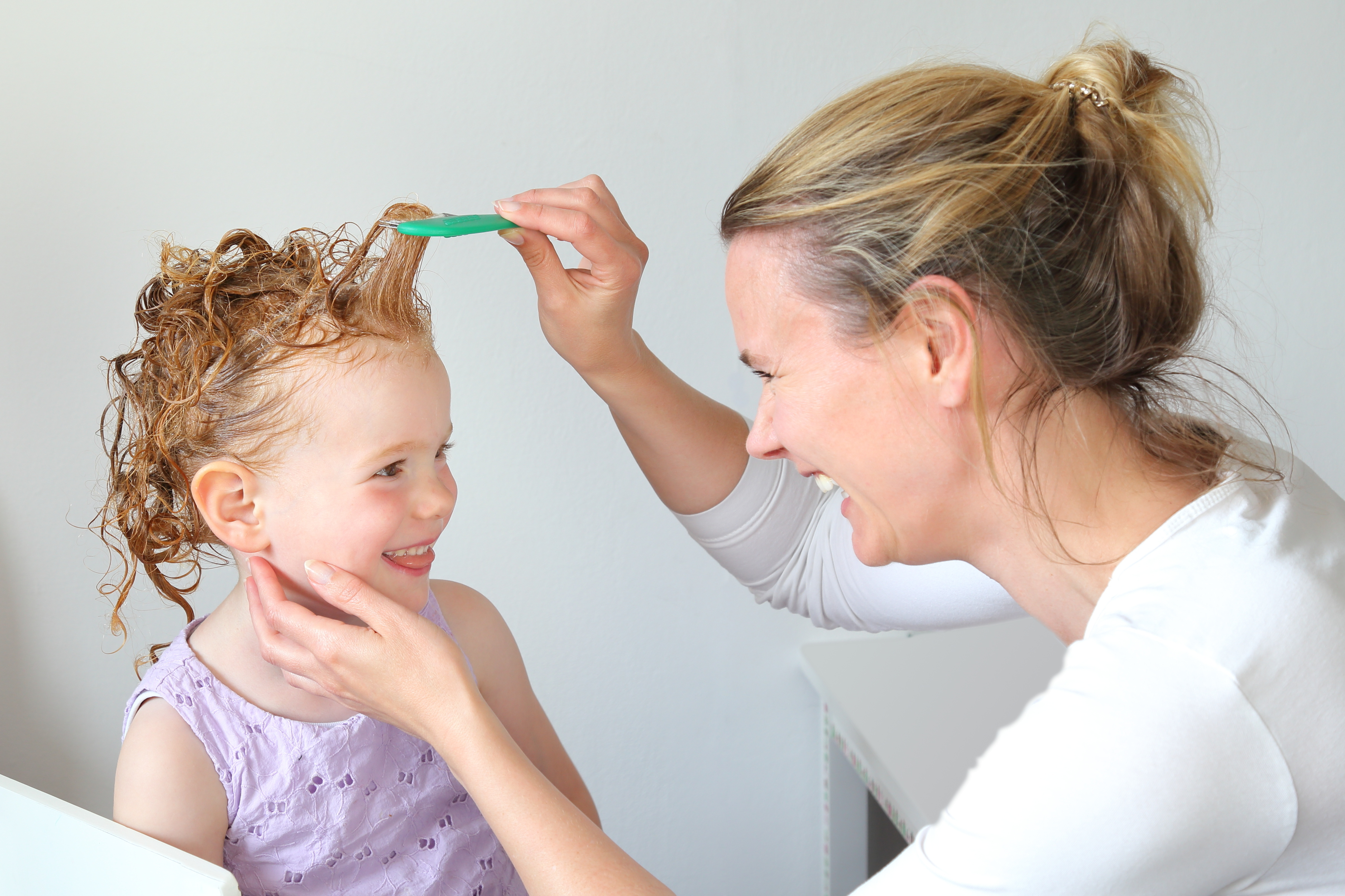
Head lice are common for preschool and school-aged children. They are spread by head-to-head contact or by sharing items like combs, brushes, hats, and helmets.The most common symptom of head lice is itchiness on the scalp.


If you suspect head lice, check with your child's physician before treatment. Visit healthychildren.org-Head Lice for more information.

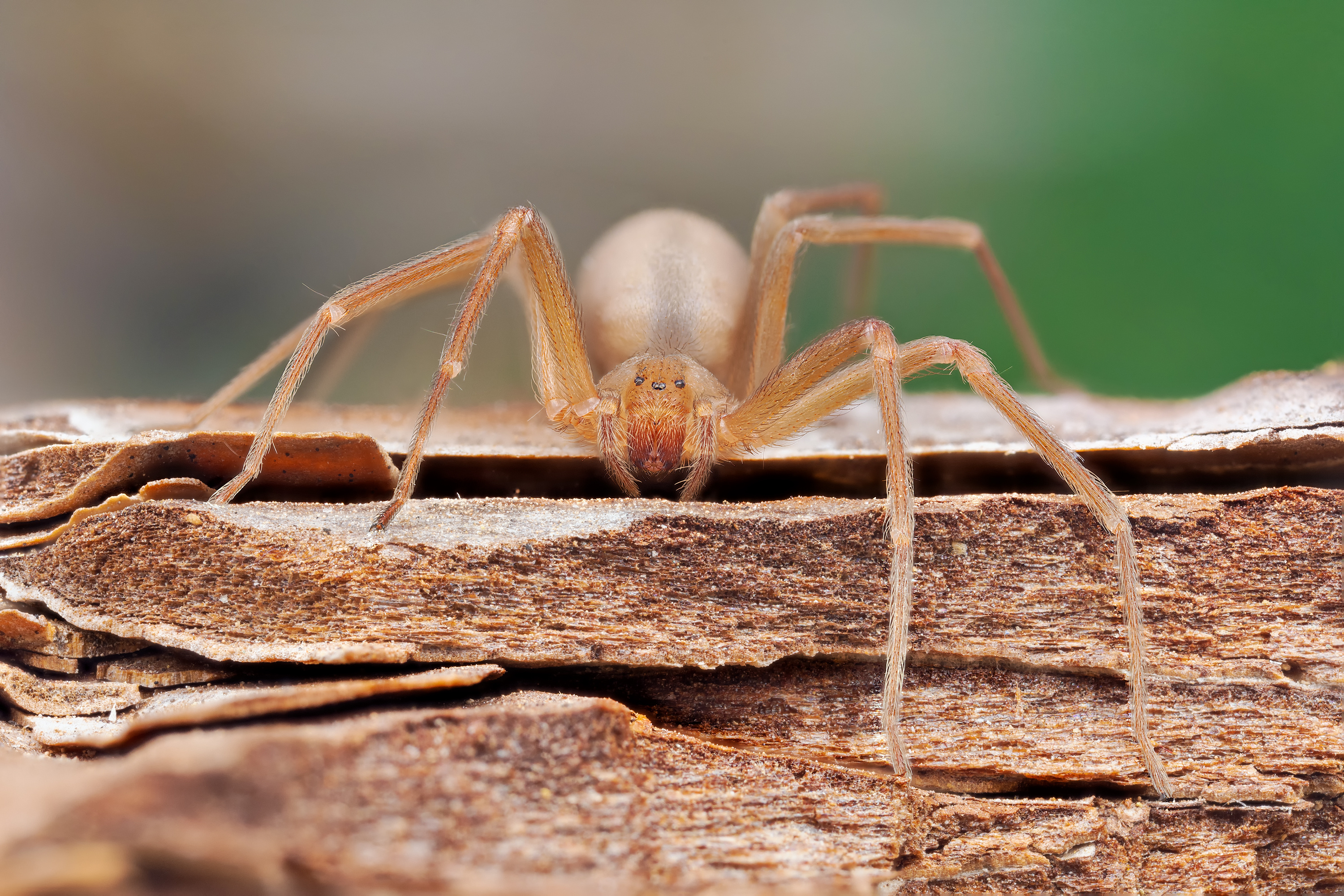
Spider bites can cause pain, redness, and swelling because of the benom injected during the bite. Most do not cause serious reactions.


If bitten by a spider, clean the bite with soap and water and apply a cold compress for 20 minutes. Take pain medication as needed. Seek immediate medical attention for trouble breathing, fainting, weakness, stomach pain, chest tightness, or if a Black or Brown Widow or Brown Recluse bite is suspected.


For more information about treatment, visit healthychildren.org - Spider Bites.

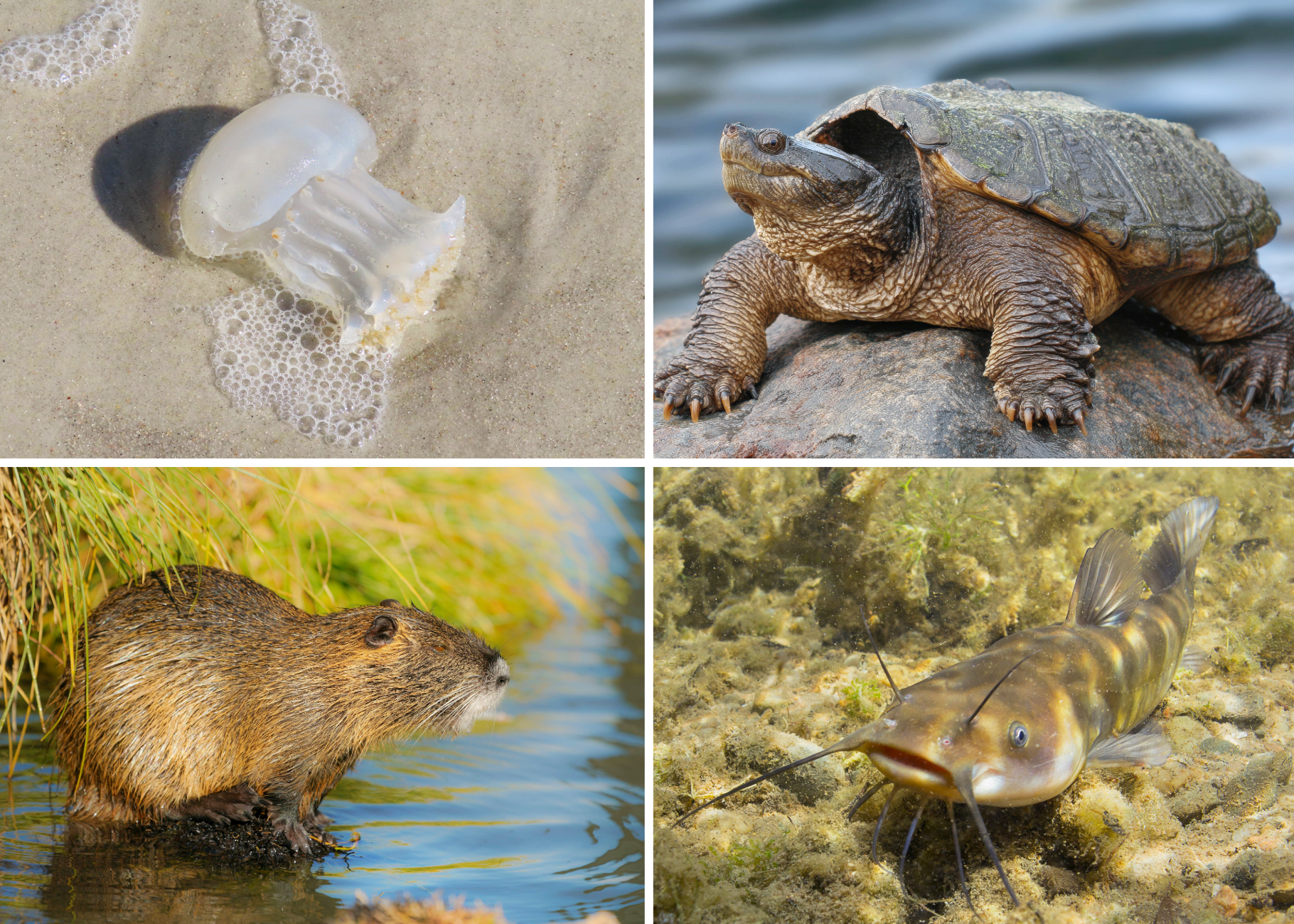
If visiting a lake, ocean, or beach, be aware of harmful animals. These could include snapping turtles, catfish, jellyfish, snakes, muskrats, or other local wildlife.


Supervise children at all times around water. Seek medical attention if injured by an animal. 

Do you have questions about animal safety?

Call our FREE Safety Store Helpline at 317-274-6565. You can talk with our staff live Monday-Friday from 9:00 AM to 4:00 PM about your safety questions.