




Disaster Preparedness

Disasters can happen at any time, so it is important that your family is prepared. Use the following tips to help plan and practice emergency responses.

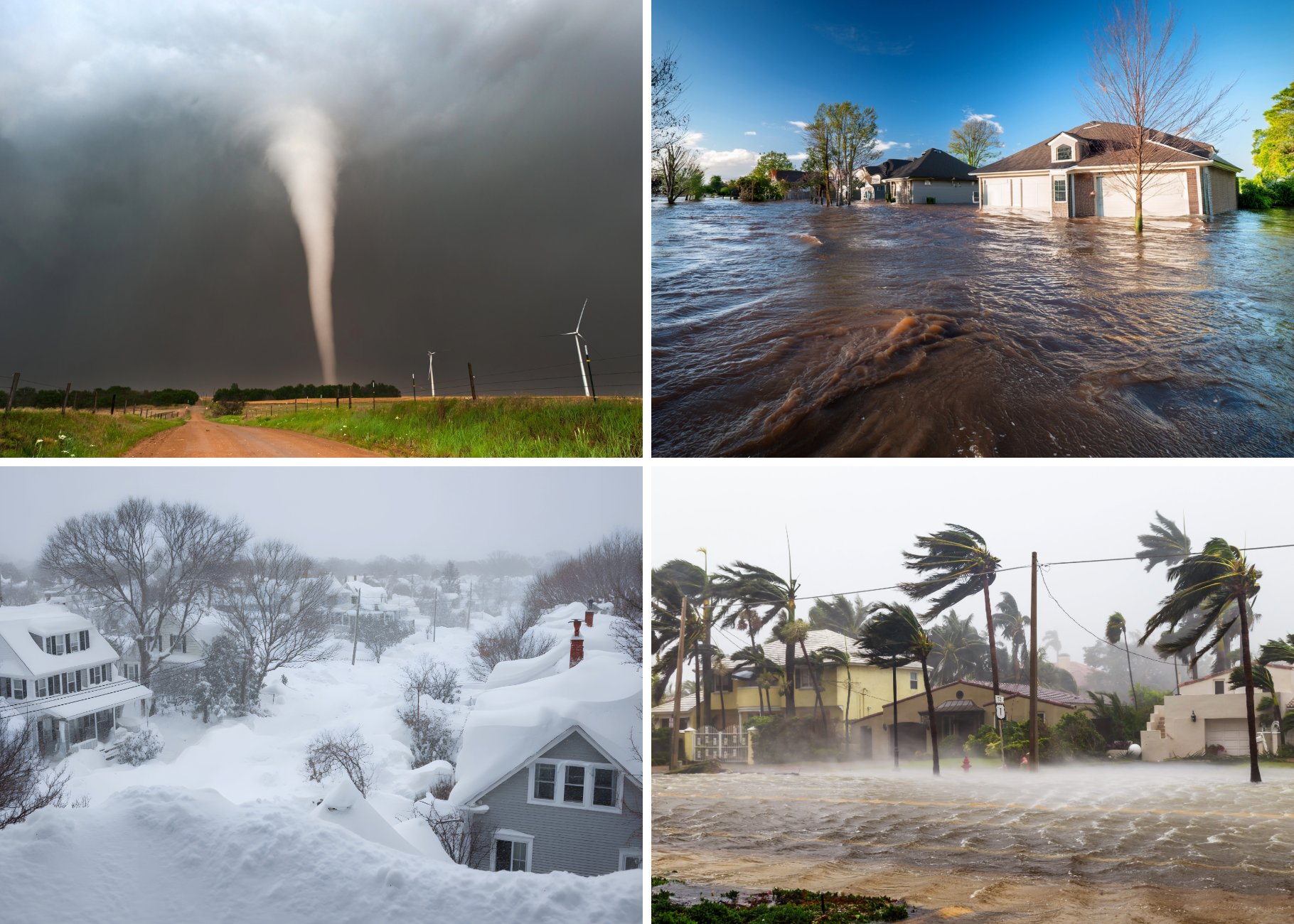
There are many natural disasters that can occur from tornadoes to severe winter weather. It is important to prepare for the disasters will most likely to occur where you live. Use the link below to determine which disasters are most common in your area.


As a family, discuss potential disasters and create specific plans about how to respond. Determine a safe place to meet outside your home if separated. Make sure children know how to call 911 and are able to give their name and address.


It's all about practice! Learning and going over how to respond in emergencies can help your family remember the steps. Try making practice a game - this can help kids feel more relaxed and can make them more excited to participate

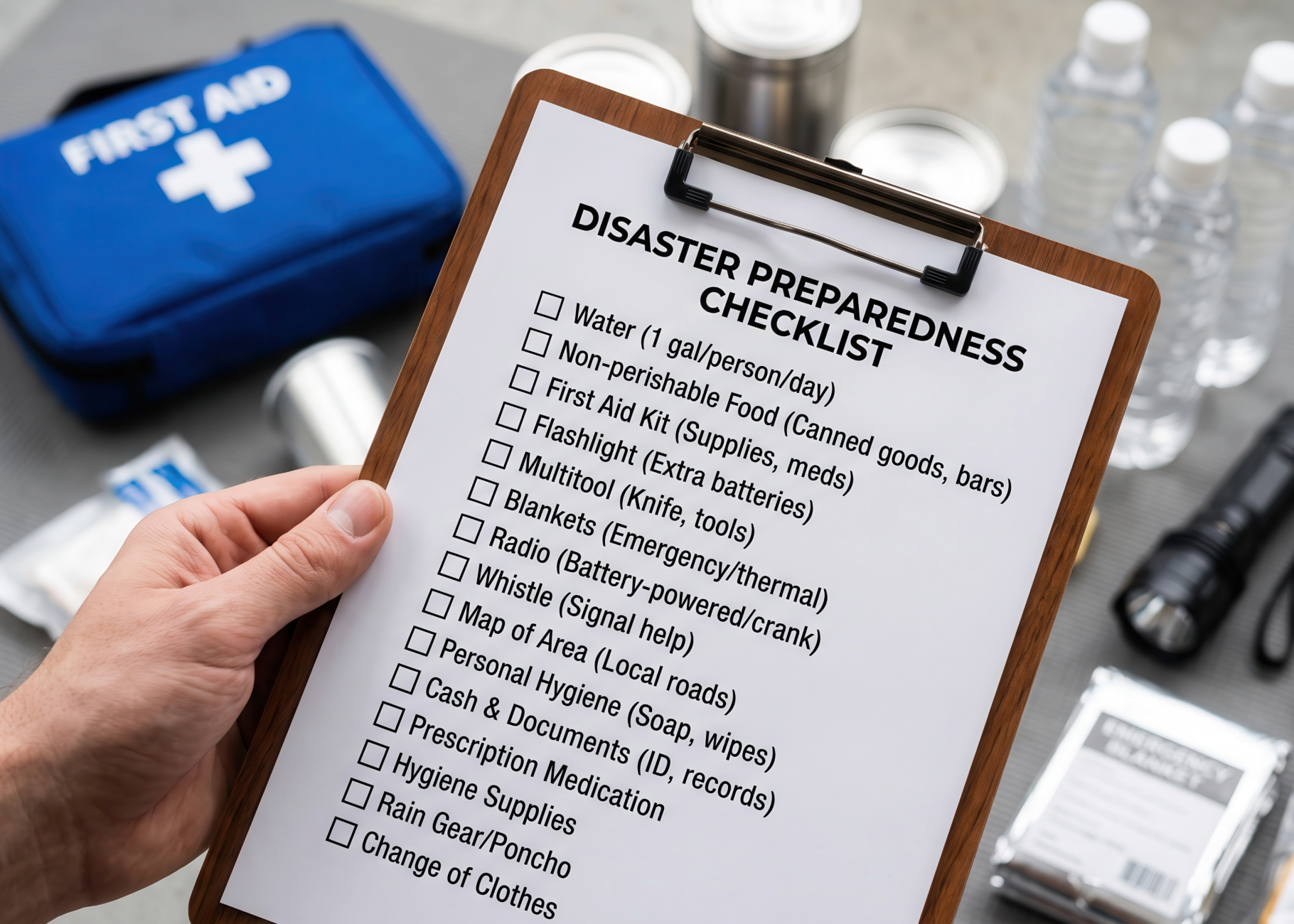
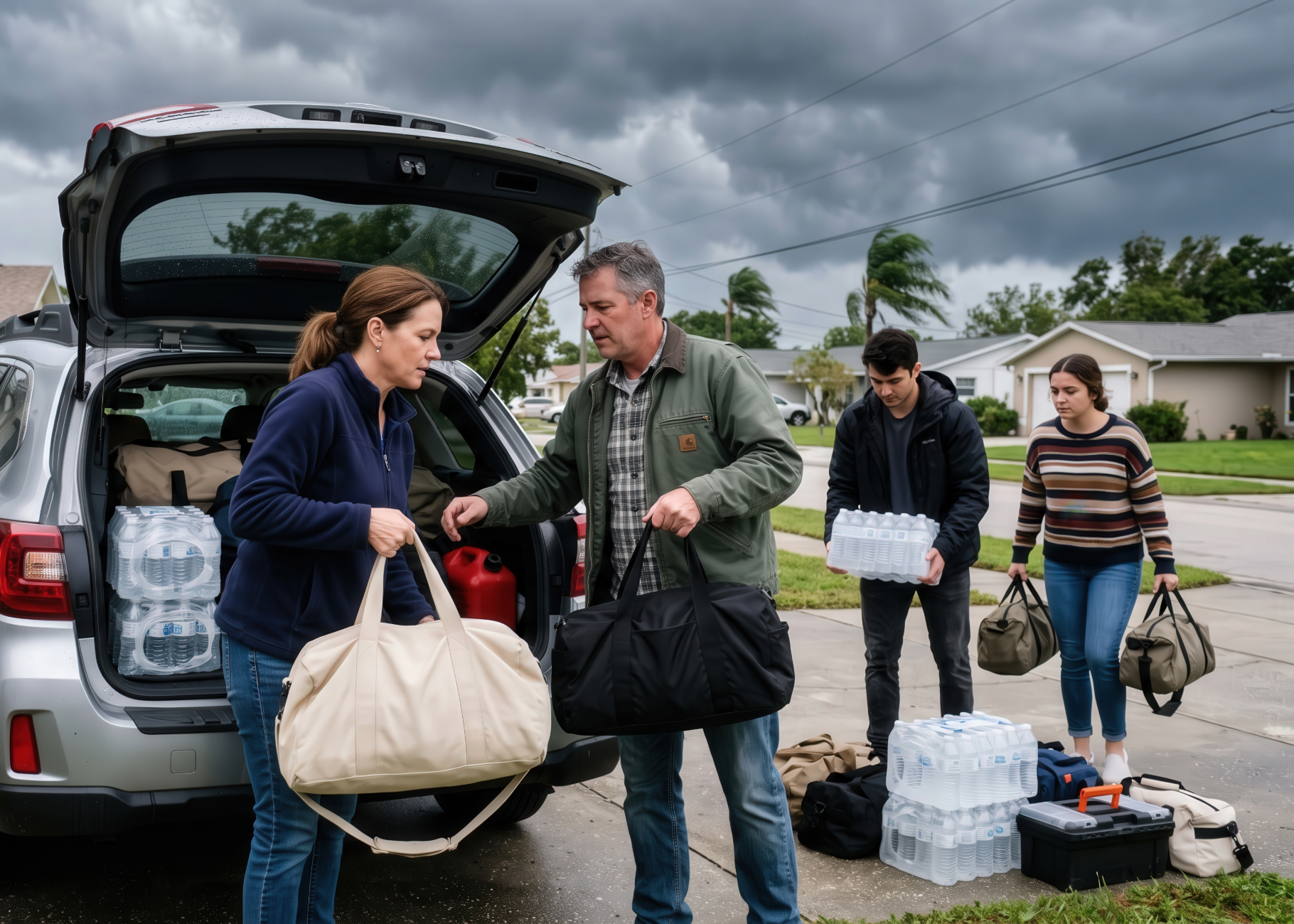
Disasters are unpredictable, so it is important that your family has everything ready if you need to evacuate. Prep an emergency kit, or "go-bag," in advance. Your kit should include at least the following:


• 3 Days of Water-including 3 to 6 gallons per person

• 3 Days of Non-Perishable Food

• Medication & First Aid Supplies

• Flashlight & Batteries

• Change of Clothes & Shoes

• Toilet Paper & Hygiene Products

• Blankets or Sleeping Bags

• Cell Phone Charger & Battery Bank

• Baby & Pet Supplies

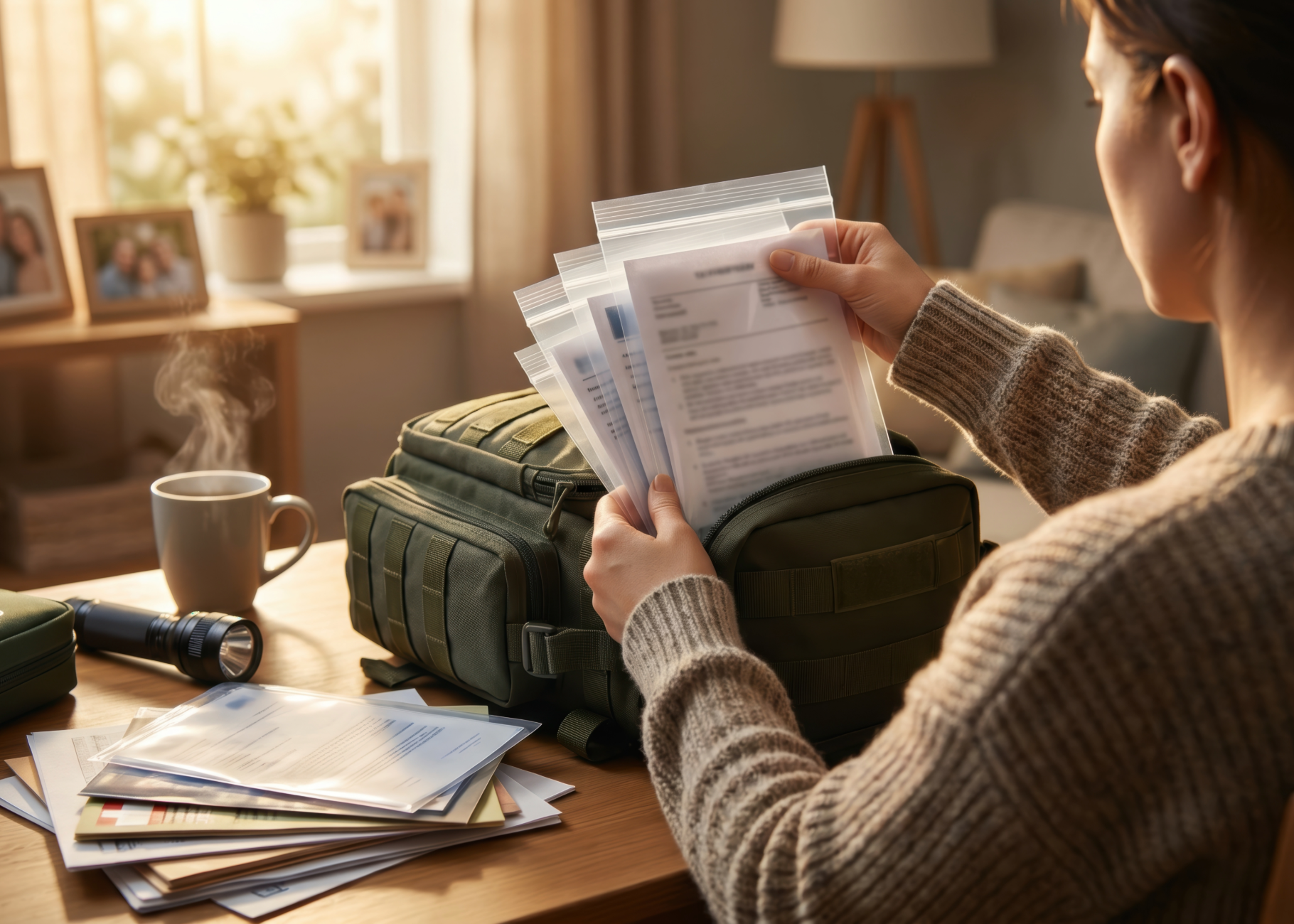
Your emergency kit should also include all important paperwork for your family. Consider storing the following items together in a waterproof bag:


• Health Insurance Cards

• Medication List for each person with dosage and strength information

• Medical Histories & Health Action Plans

• Physician Contact Information

• Current Photos of All Family Members

• Cash for Emergency Supplies or Lodging

Store your emergency kit in an easily accessible location, such as a hallway closet, the garage, or the trunk of your vehicle. 


It is important to maintain your emergency kit. Keep canned food in a cool, dry place and make sure all food is stored in tightly closed containers. Replace expired items as needed.

When planning your responses to disasters, keep in mind that there are non-natural disasters that could require sheltering in place or evacuating. These could include public health emergencies, acts of violence, chemical exposures, or technological failures. Your emergency preparedness plans may overlap for different types of disasters.

Do you have questions about disaster preparedness?

Call our FREE Safety Store Helpline at 317-274-6565. You can talk with our staff live Monday-Friday from 9:00 AM to 4:00 PM about your safety questions.